Nathalie Thengius
Nathalie Thengius is a contemporary artist born 1989 in Södertälje, Sweden, now residing and working in Landskrona. Her work bridges the Nordic light, landscapes and seasons with a distinctly modern, introspective sensibility.
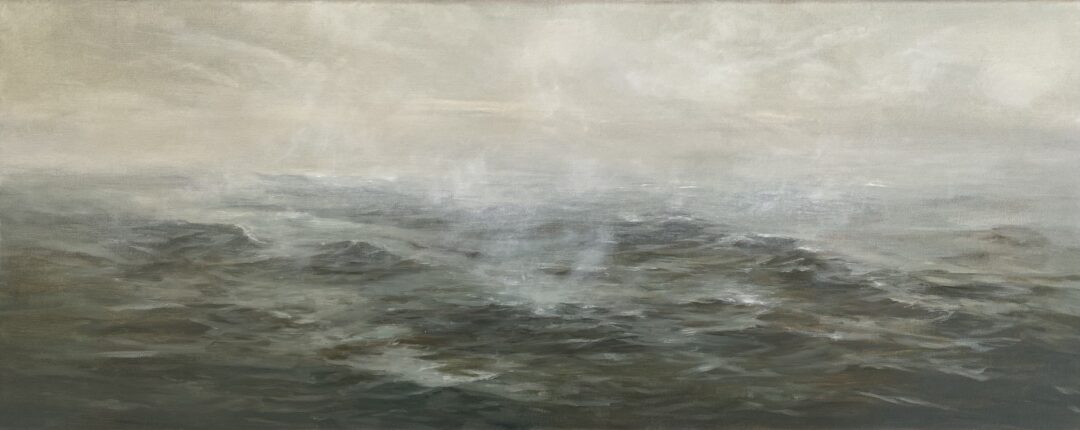
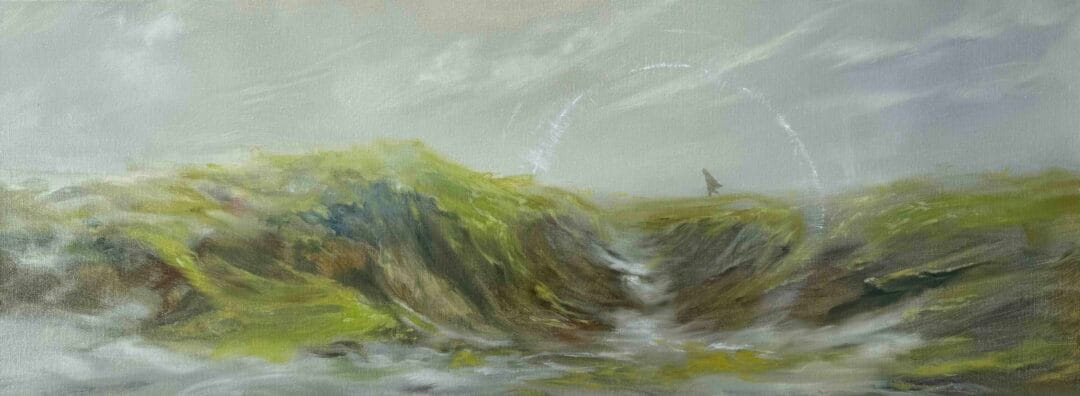
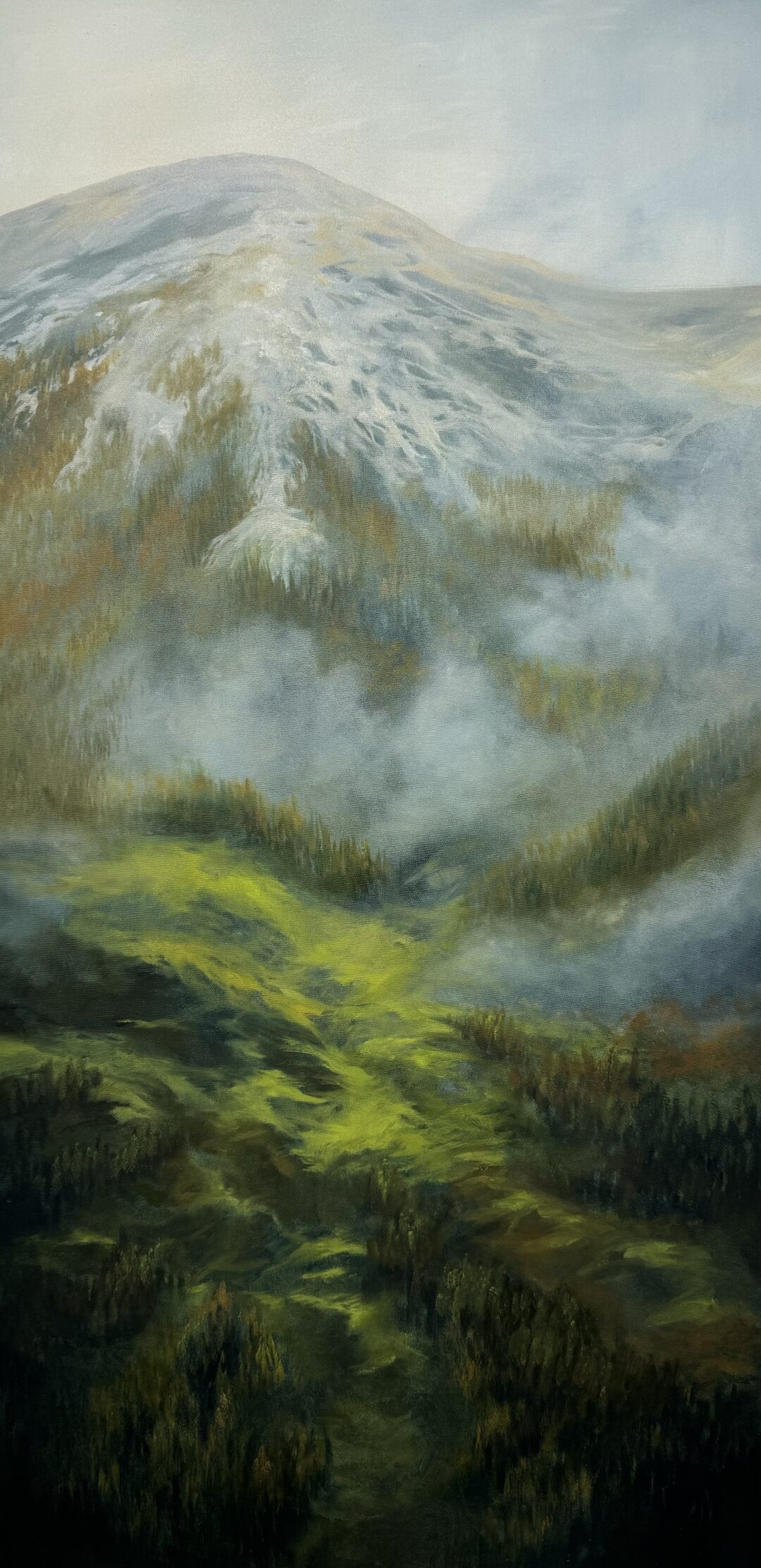
Nature itself is the main source of both inspiration and introspection. She sees herself as a notorious observer, constantly noting her environment in detail, and as an artist, this equips her with a rich inner world of imagery that manifests itself in landscapes that resonate with the viewer.
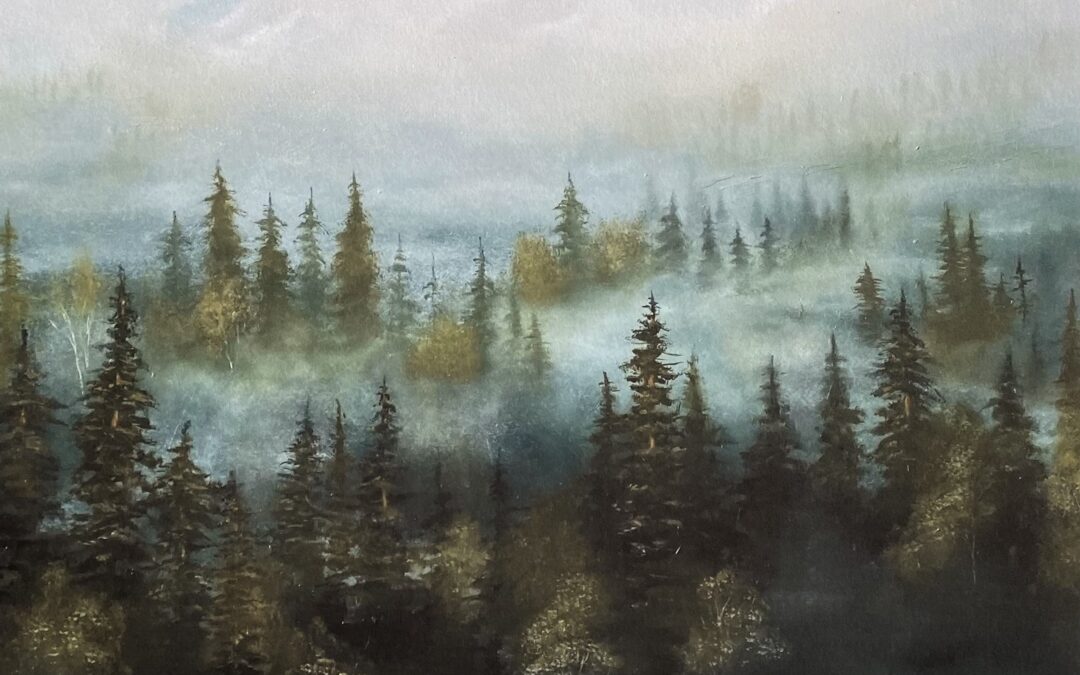
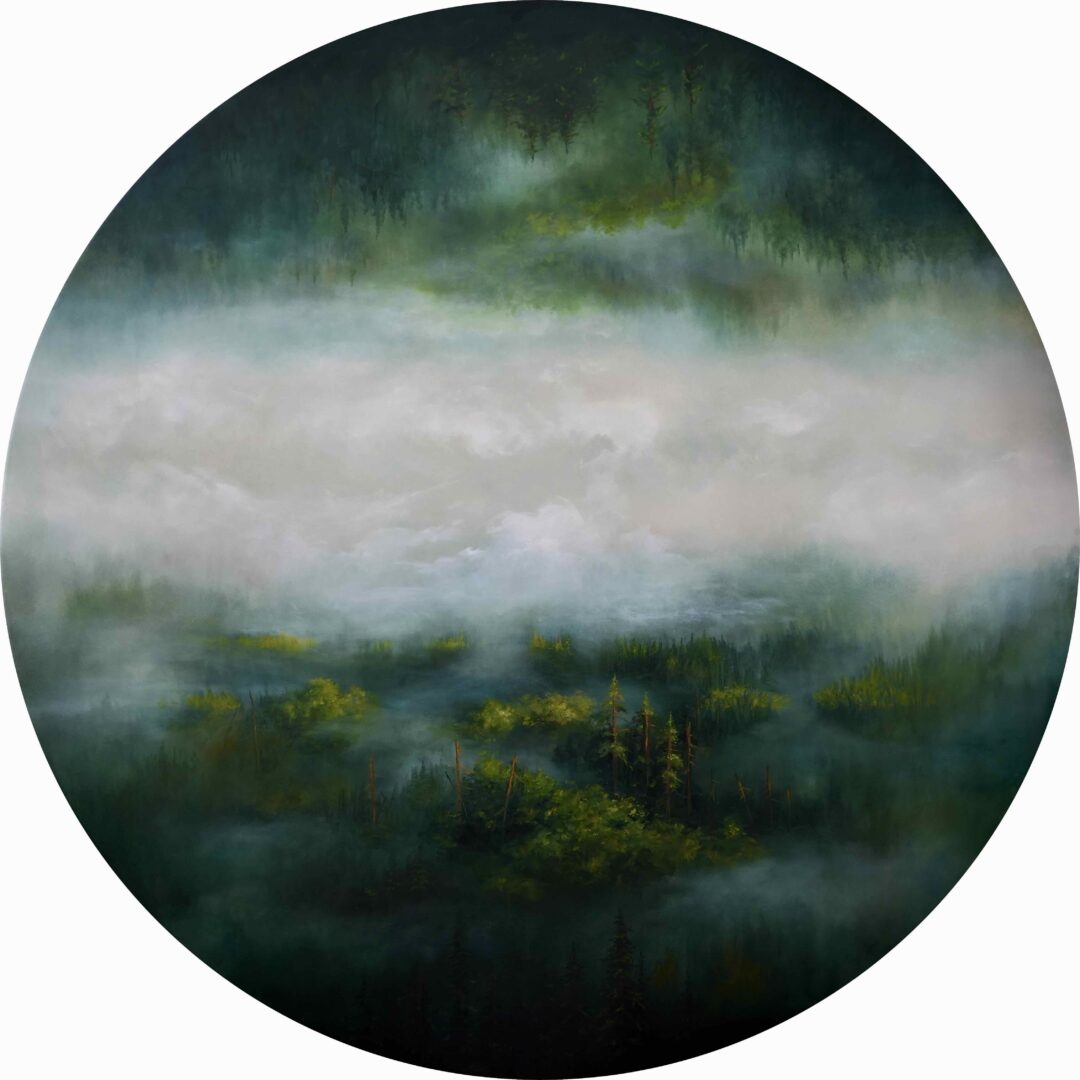
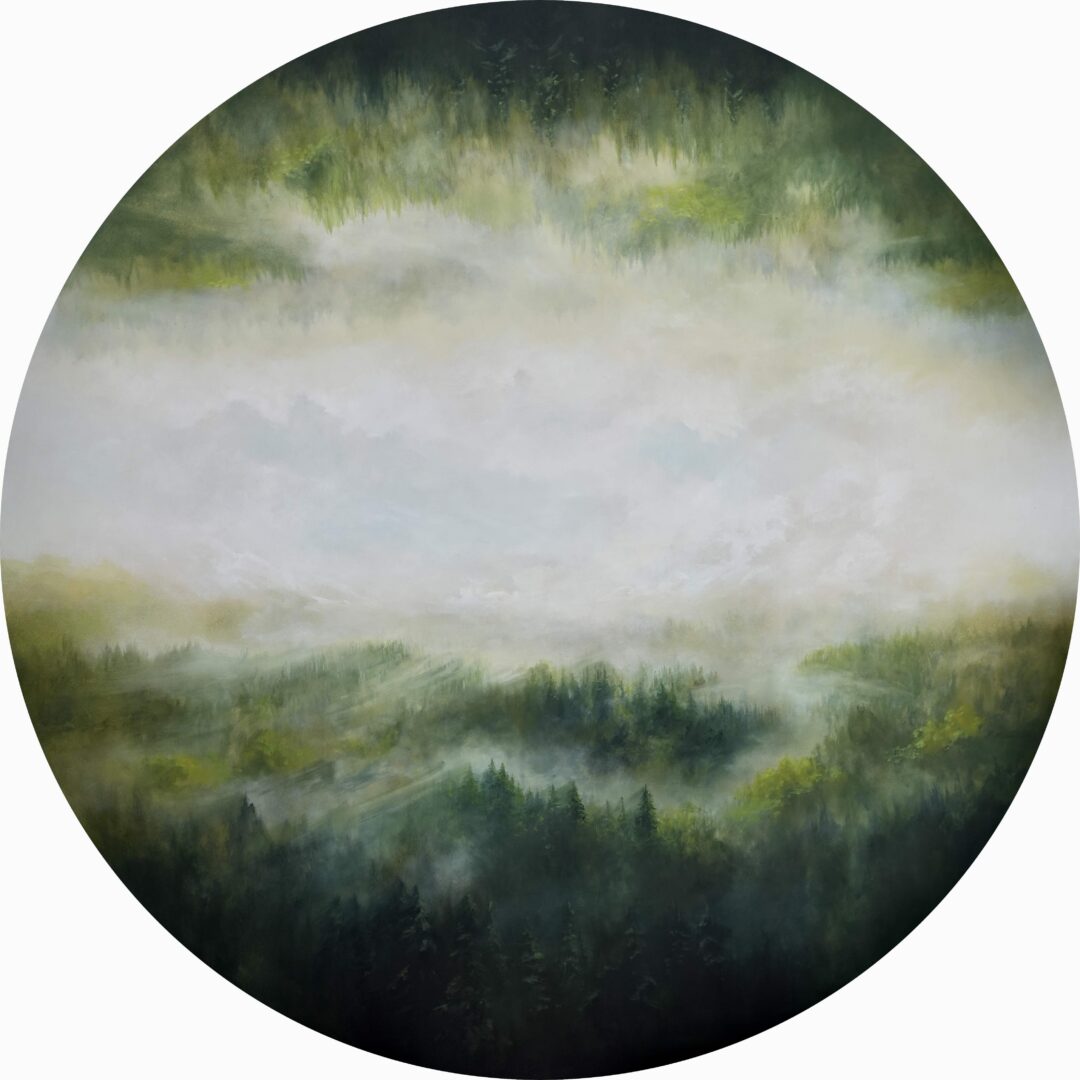
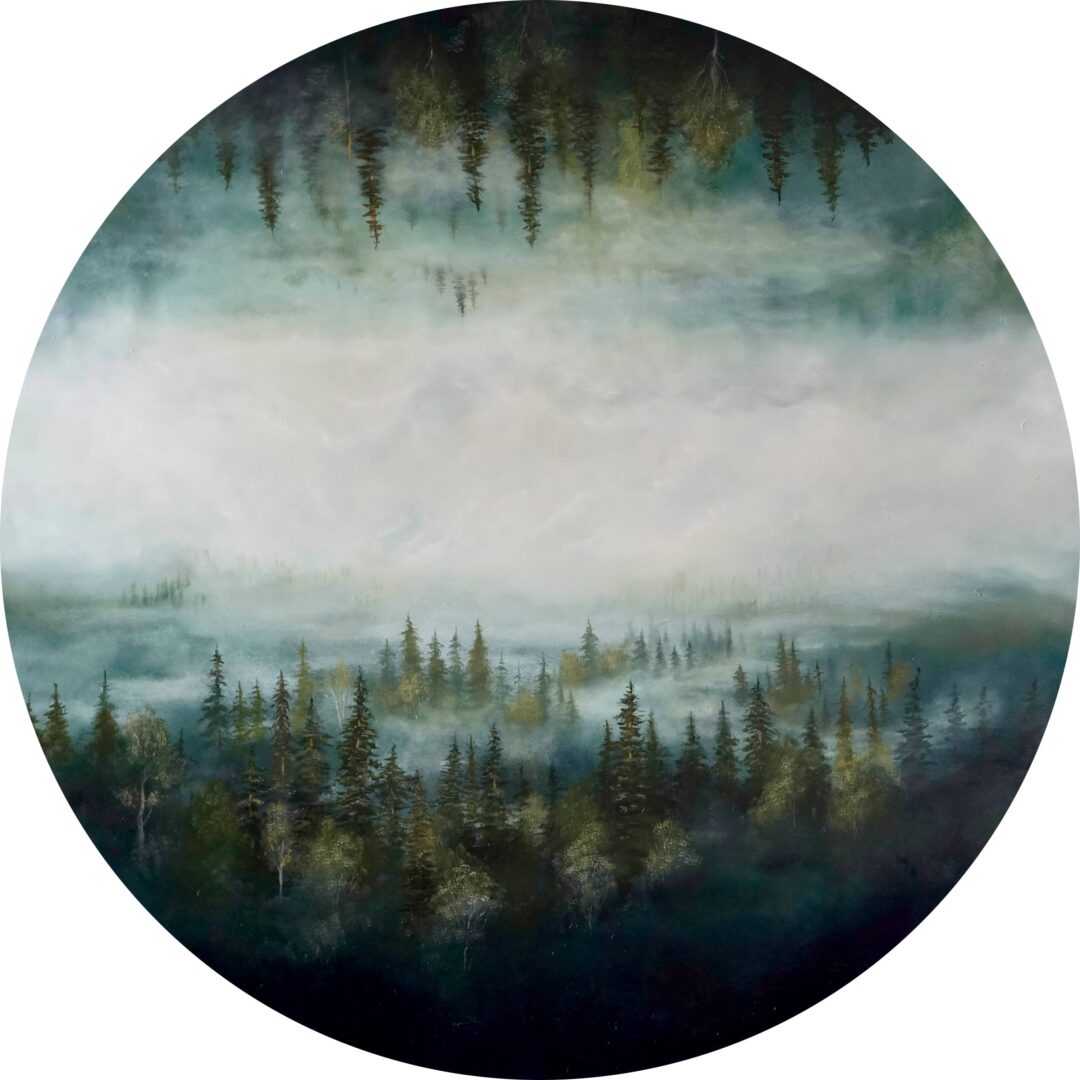
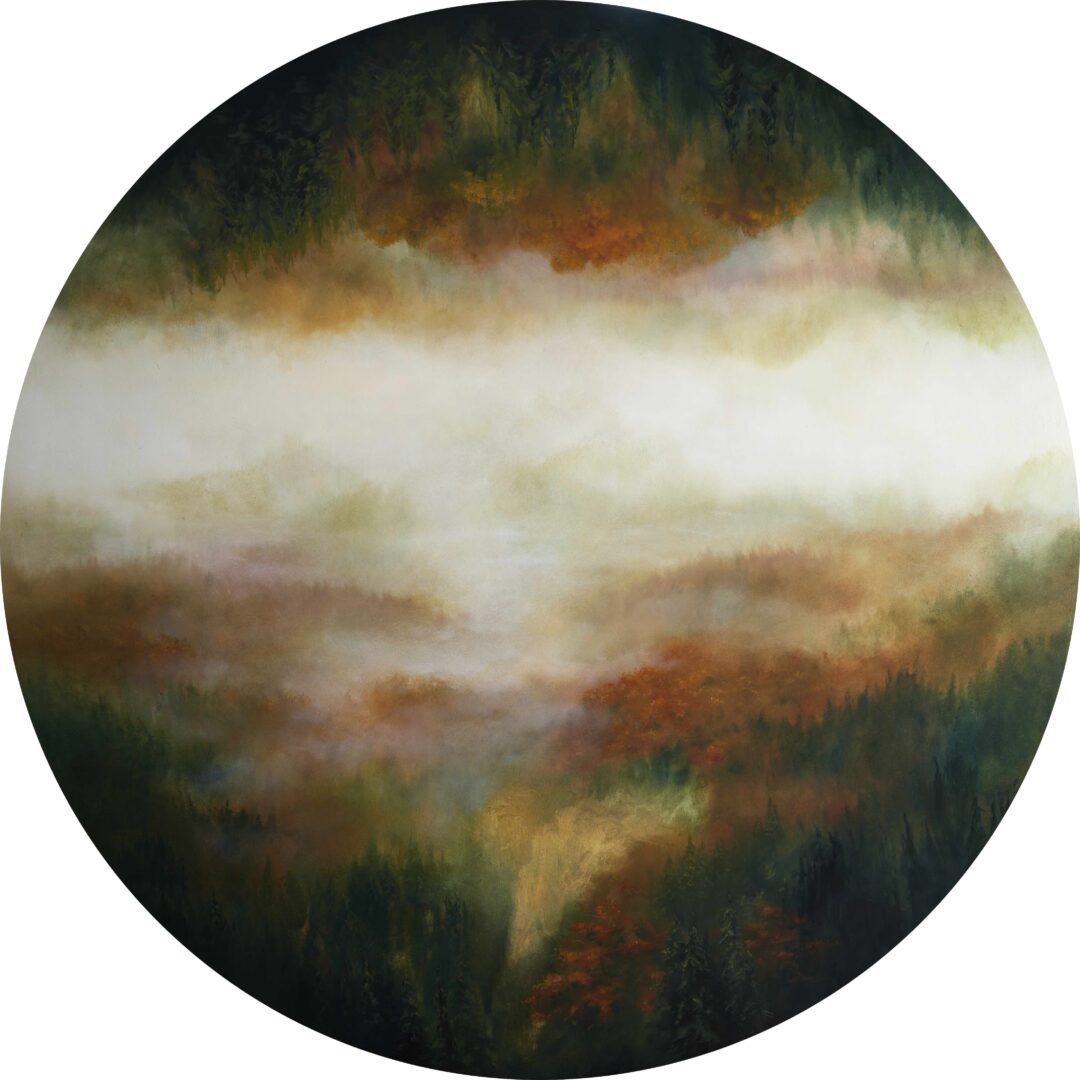
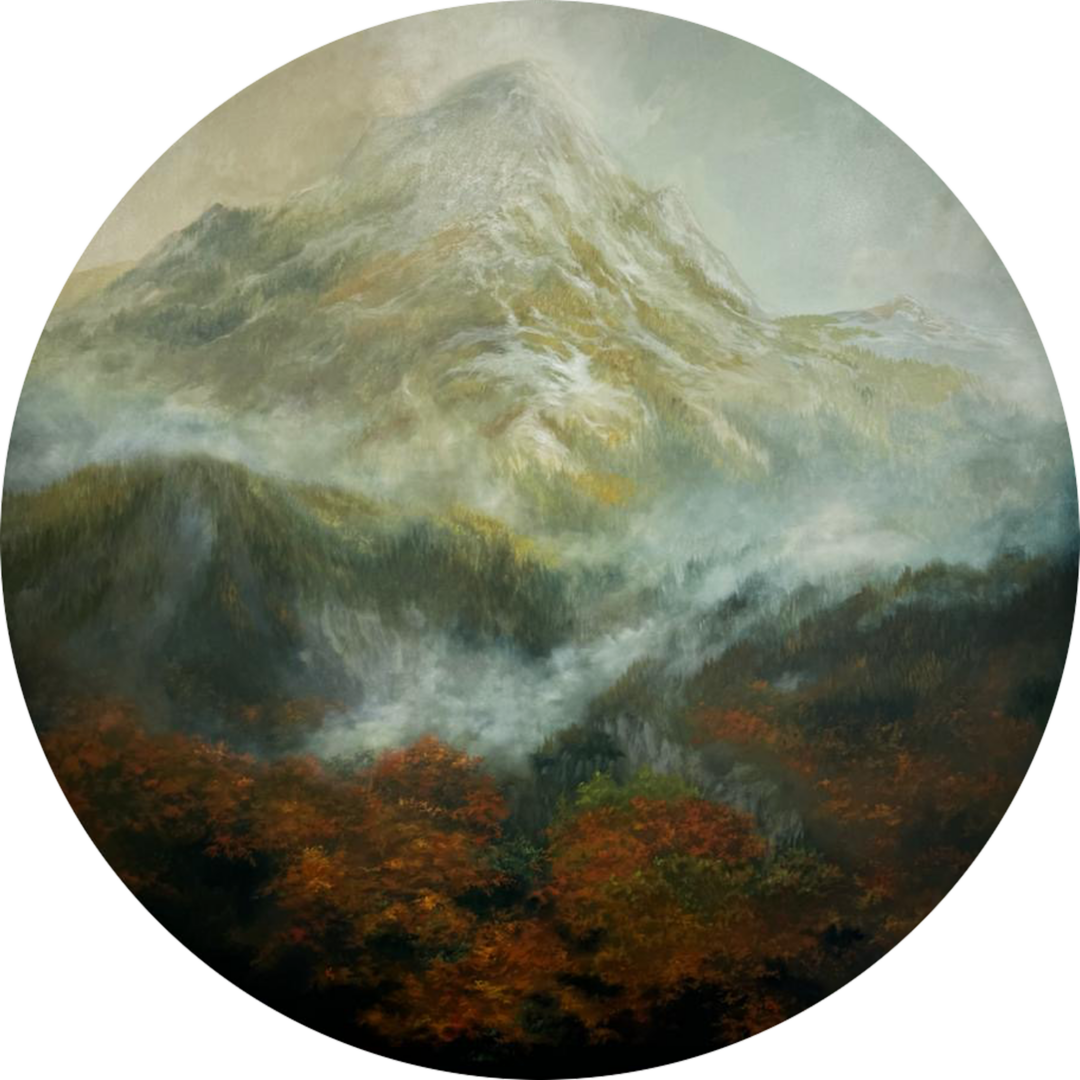
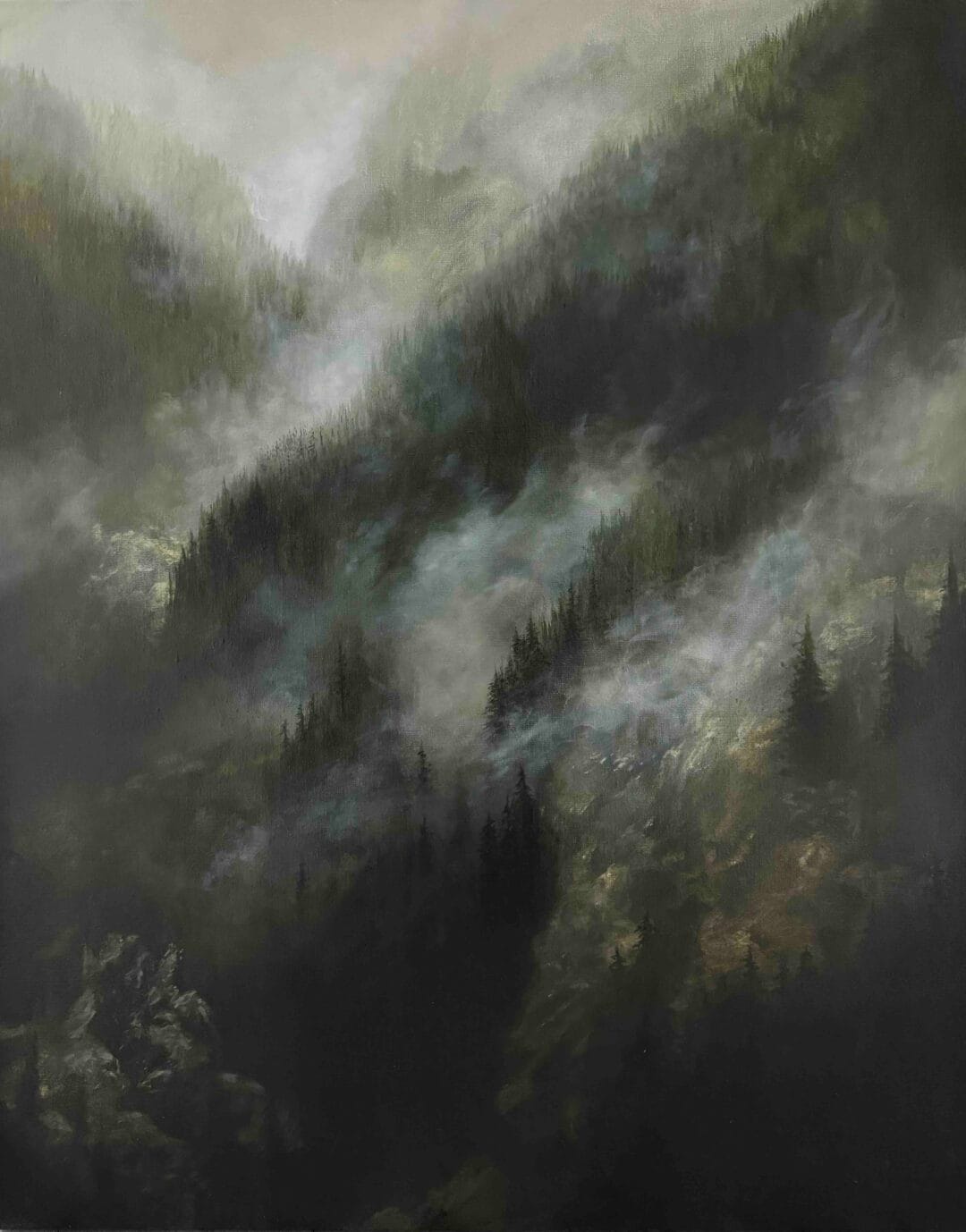
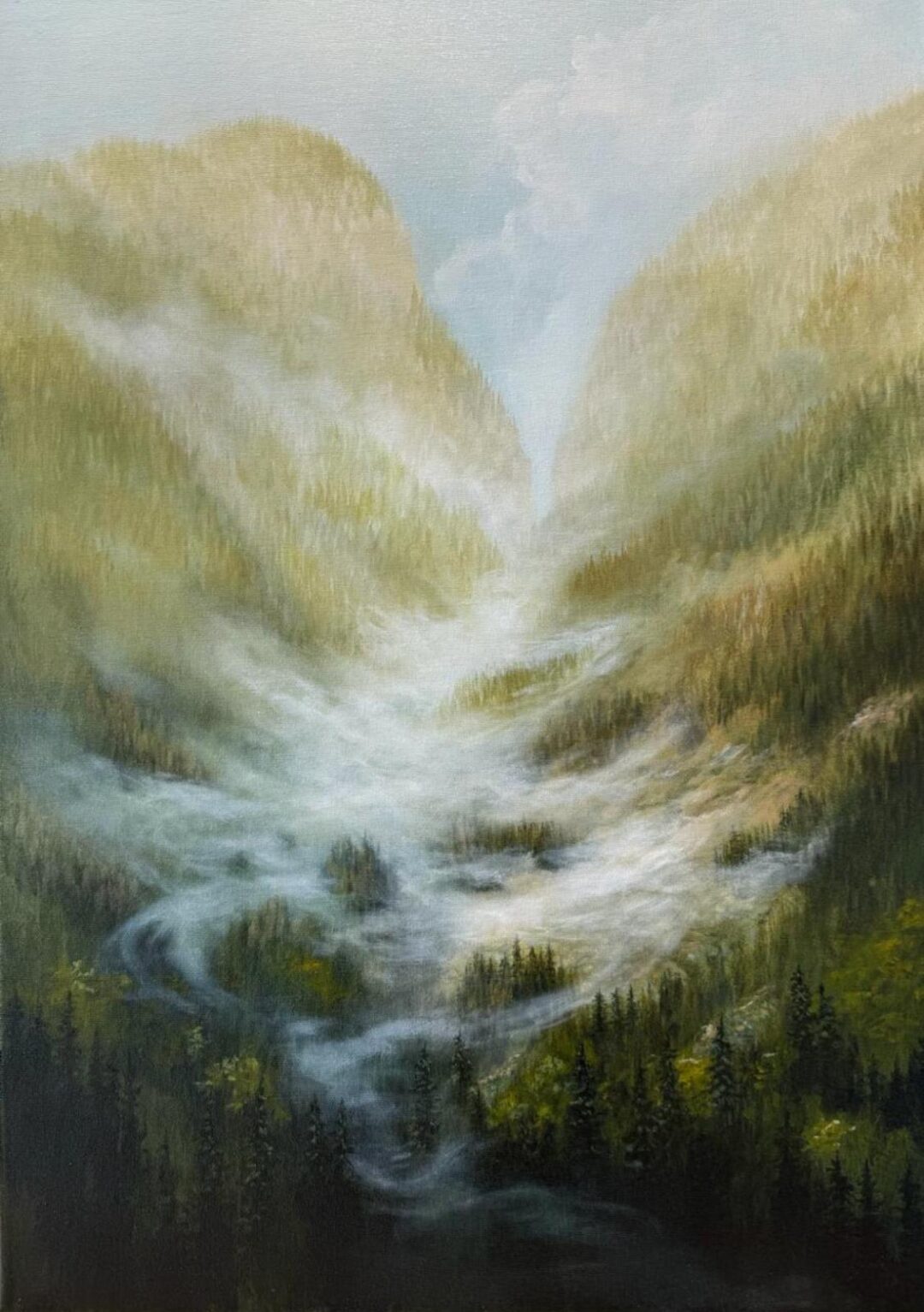
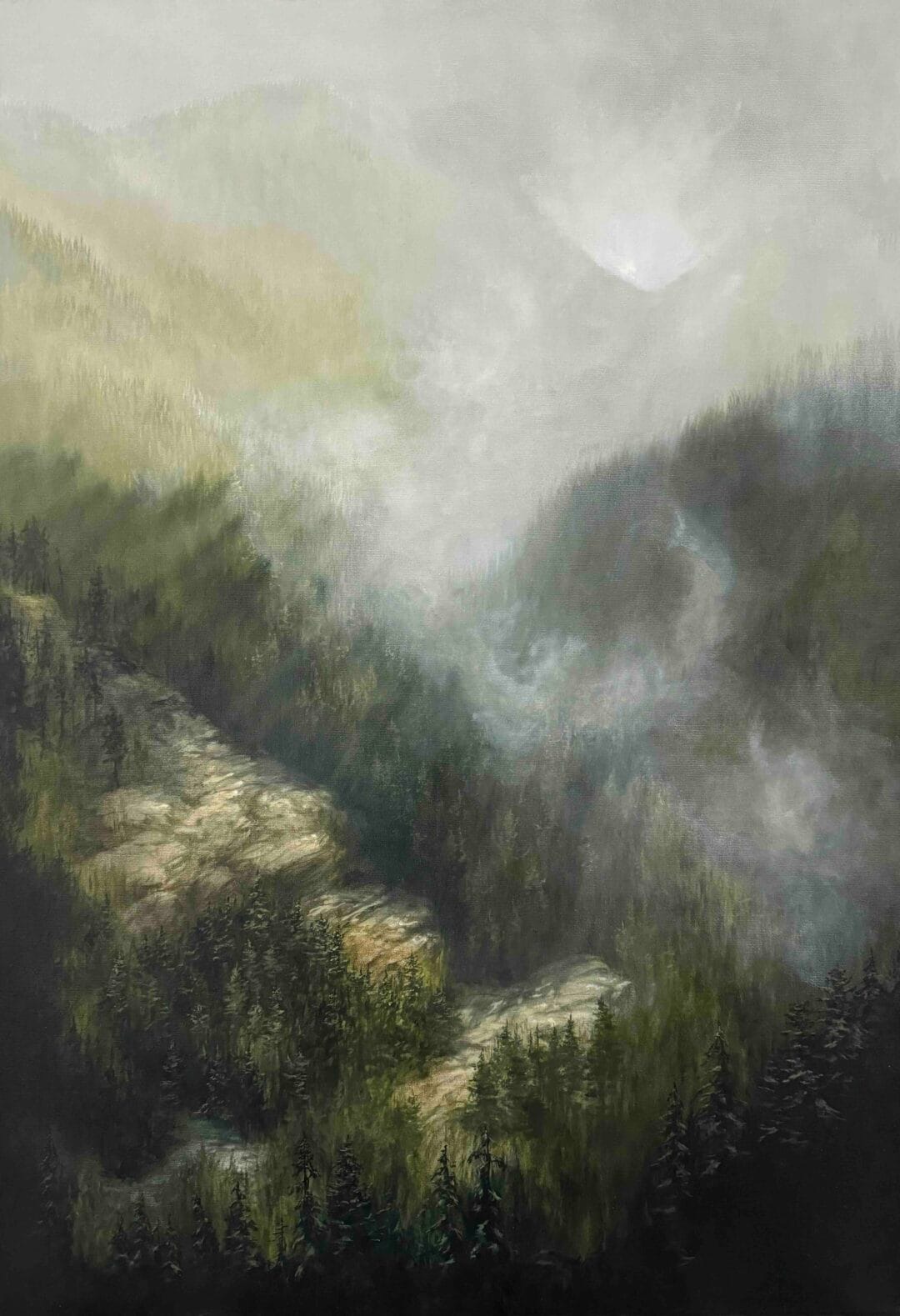
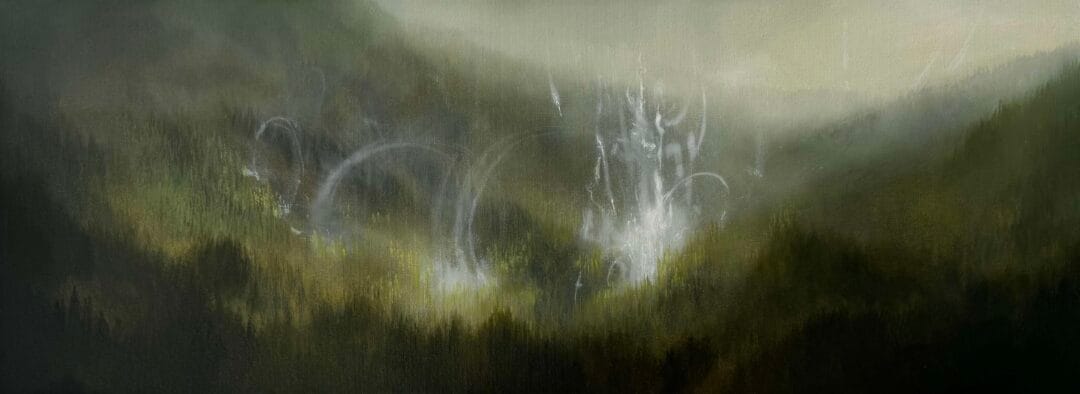
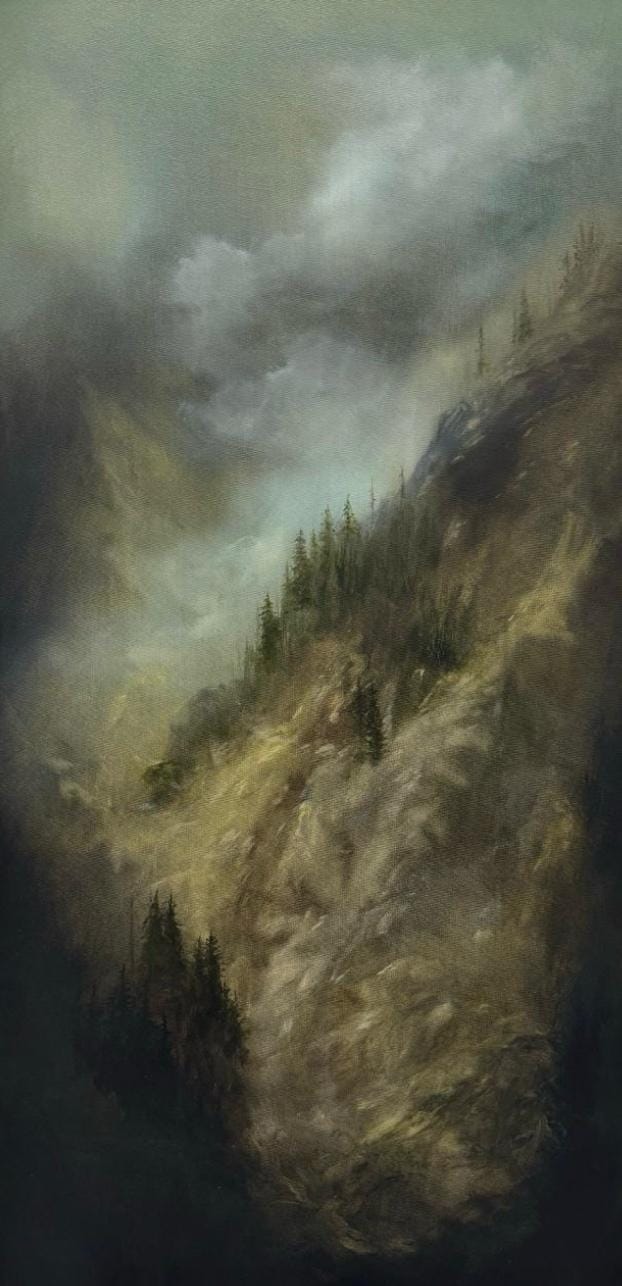
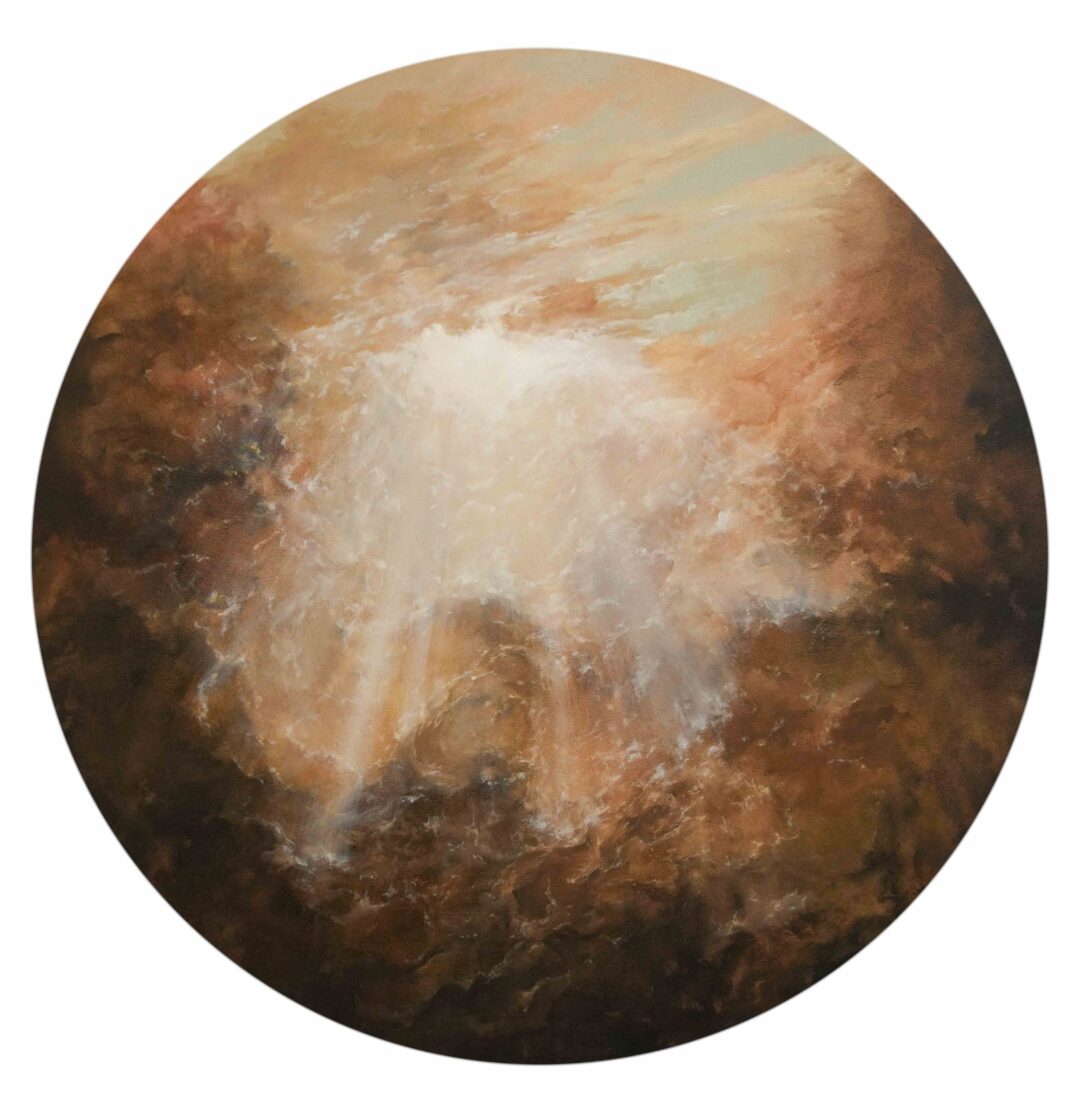
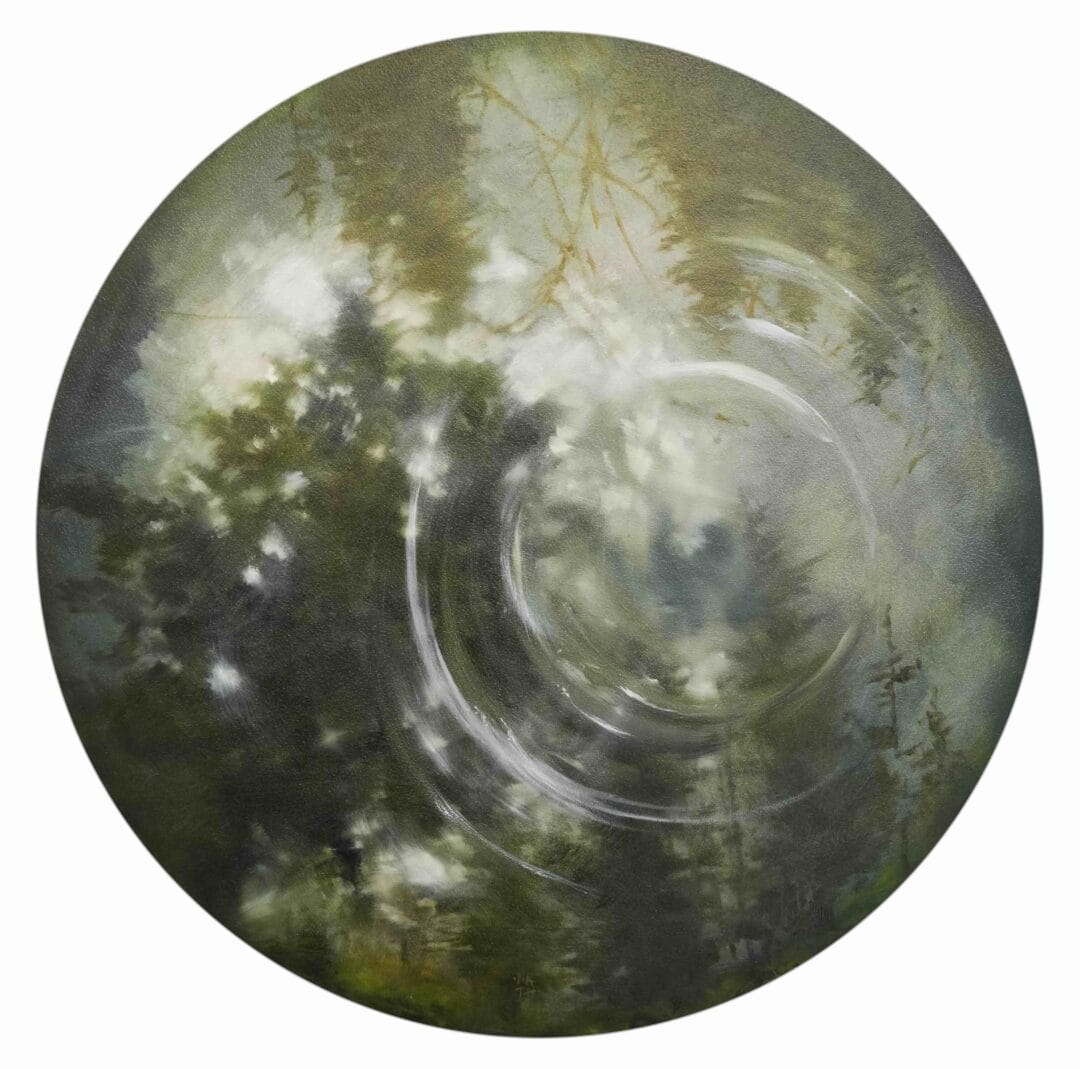
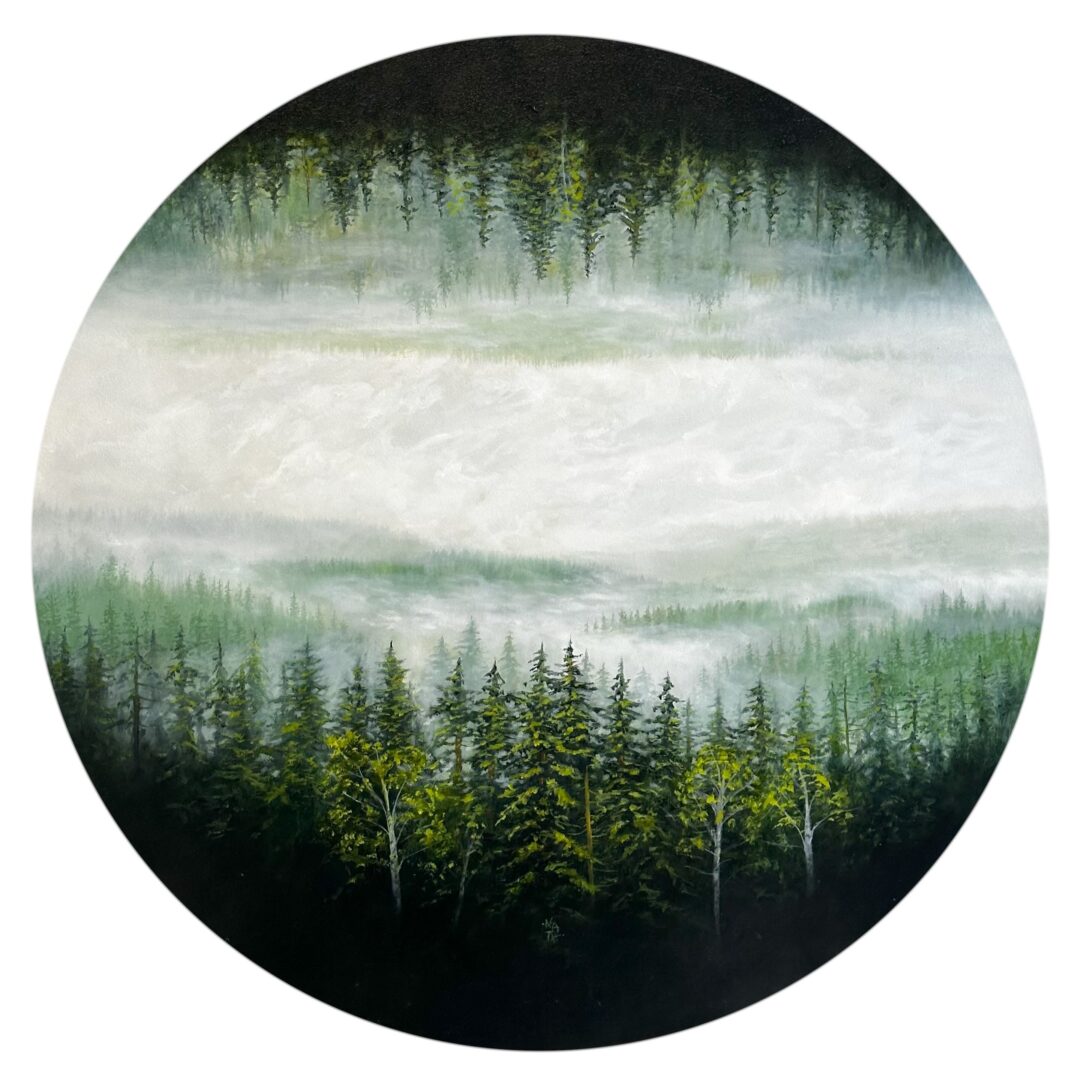
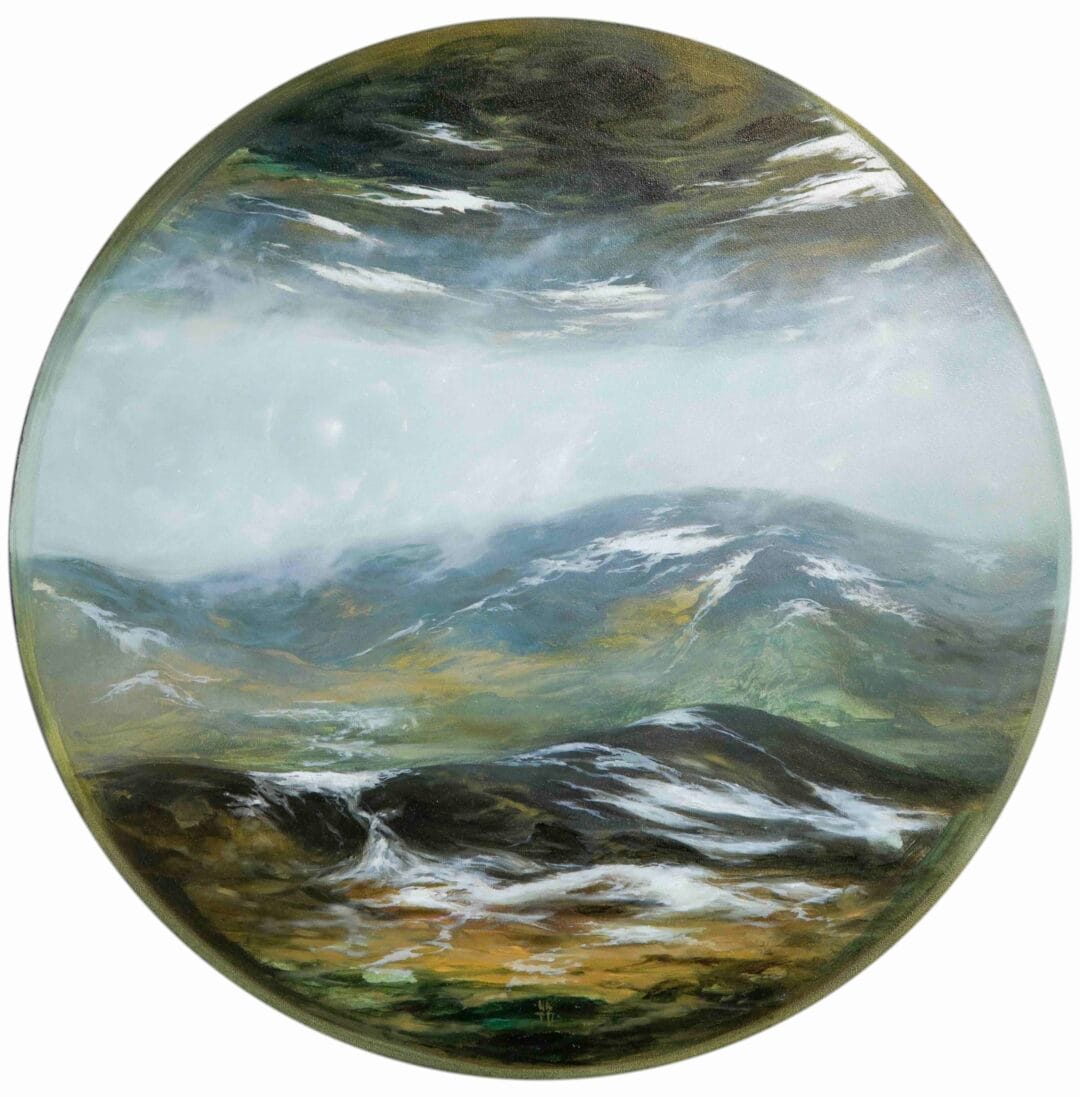
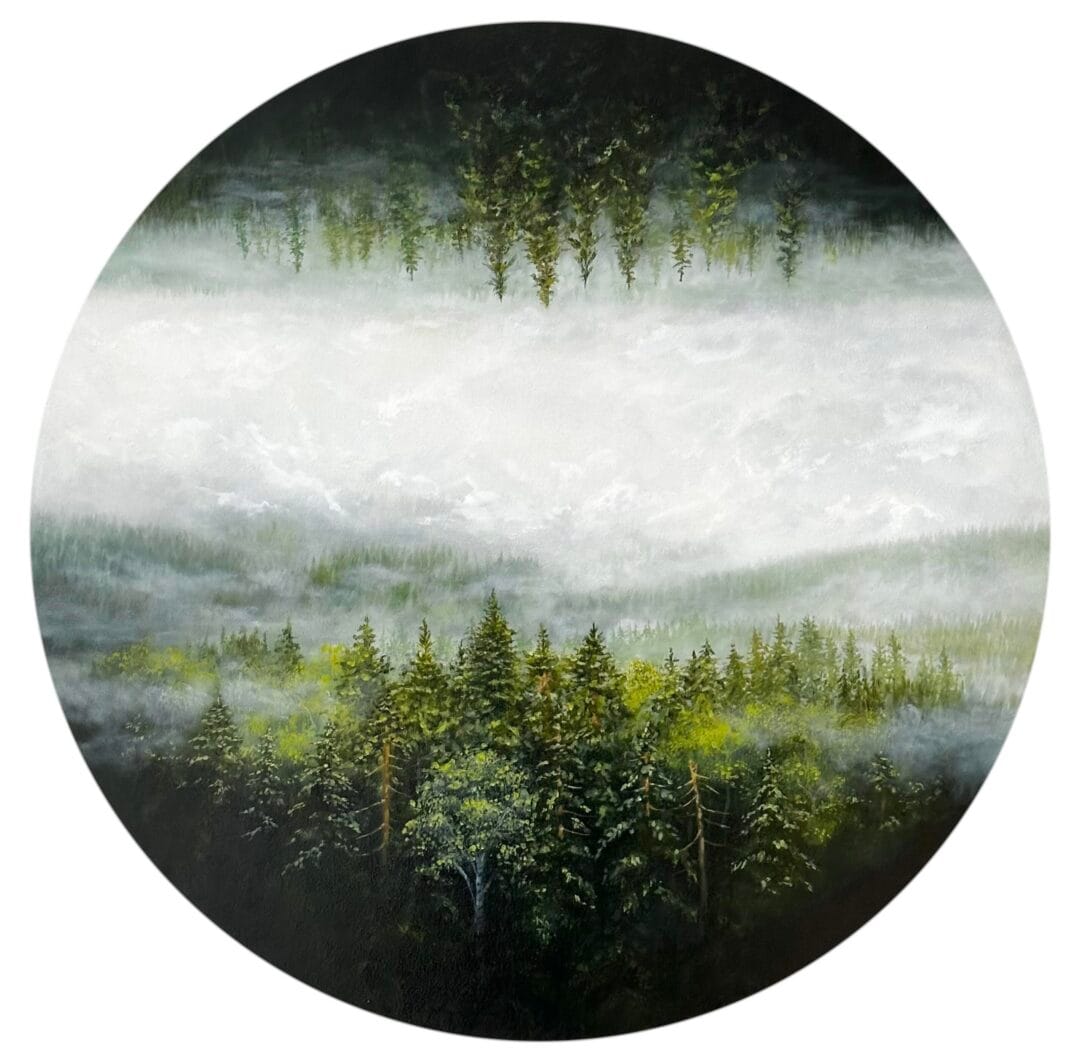
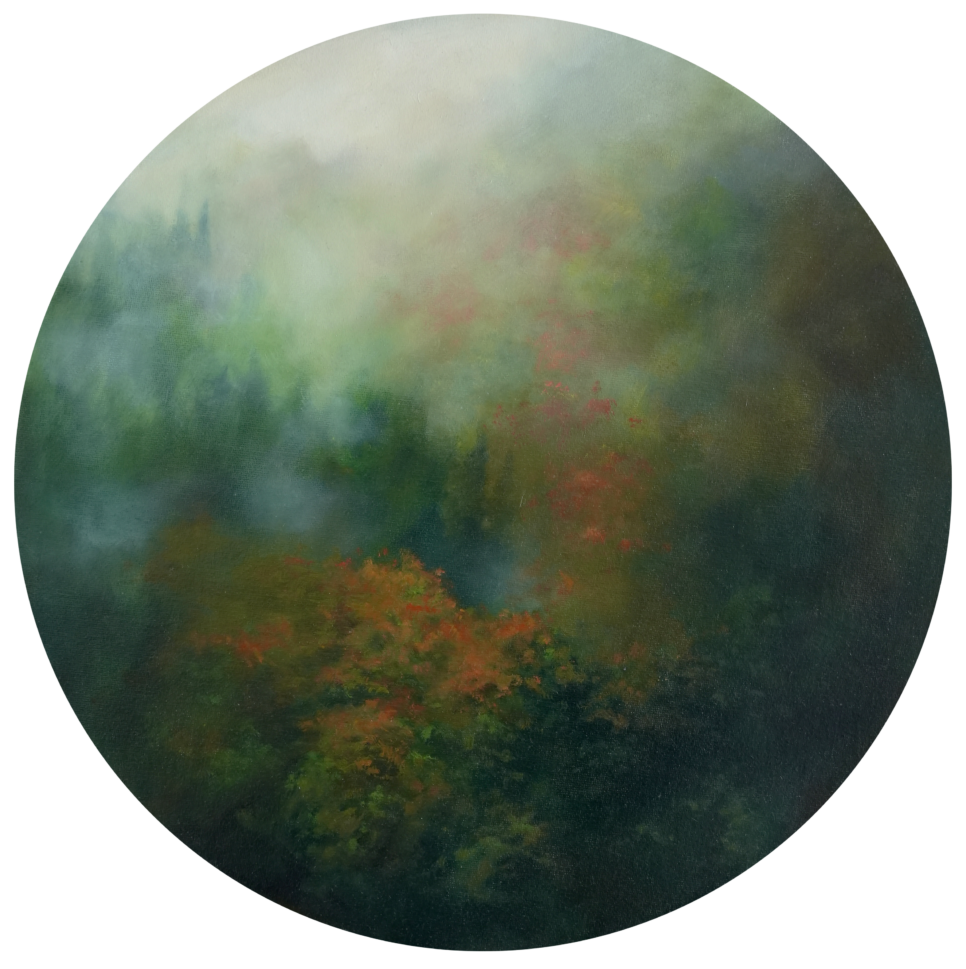
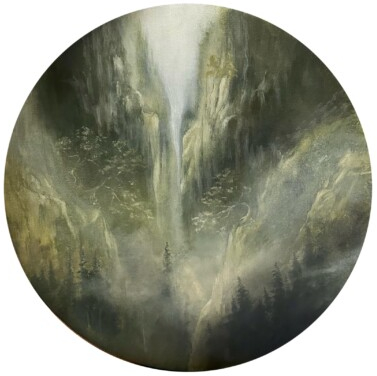
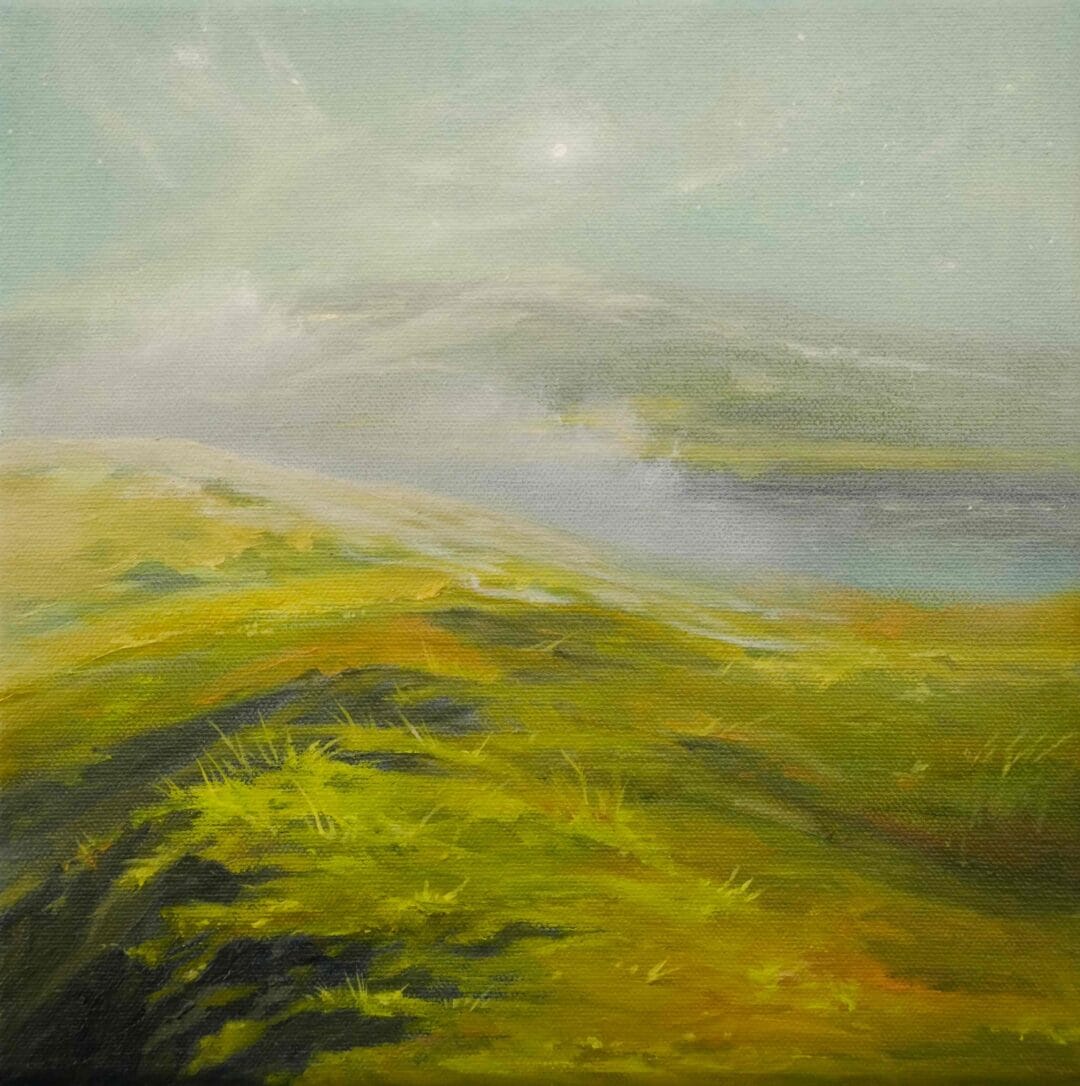
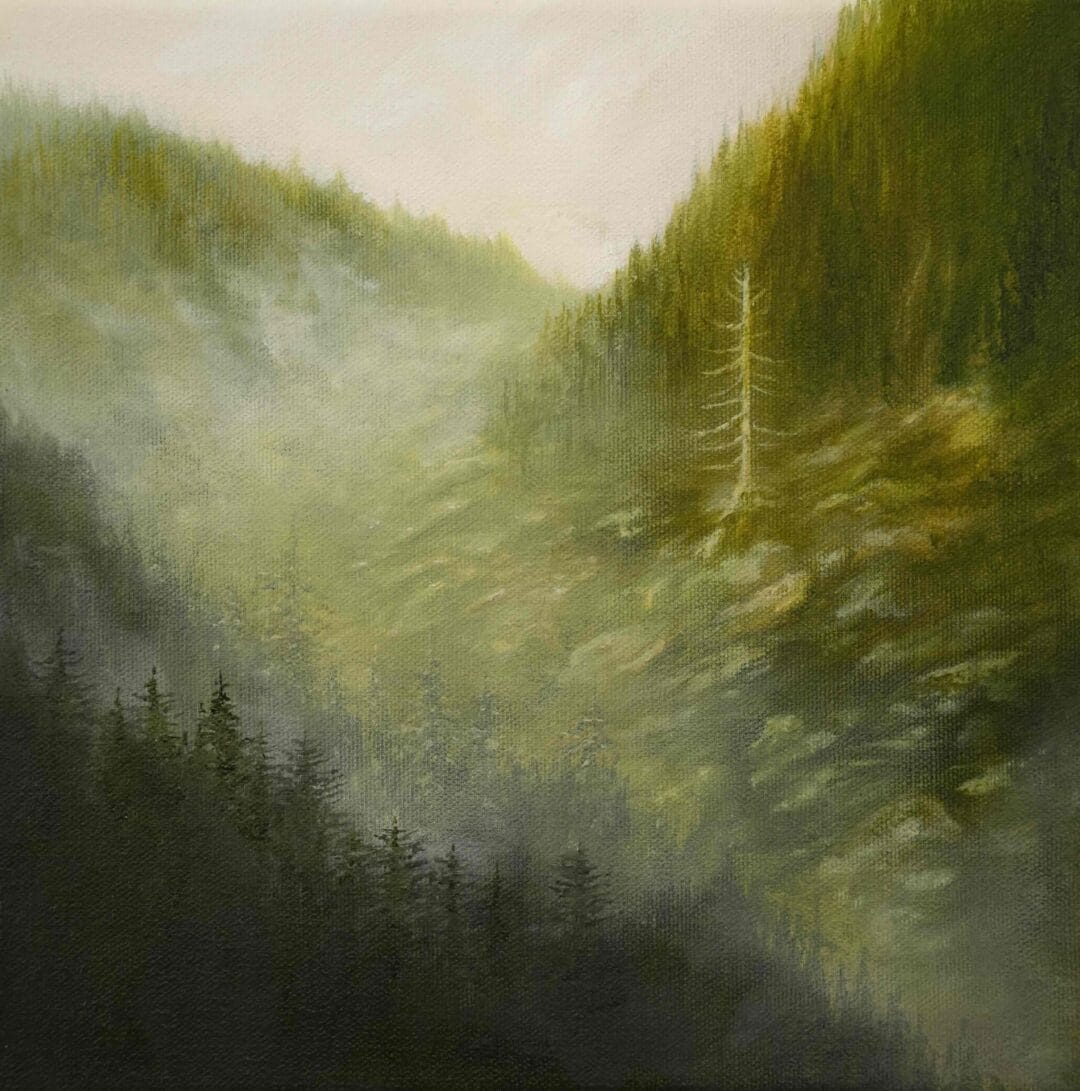
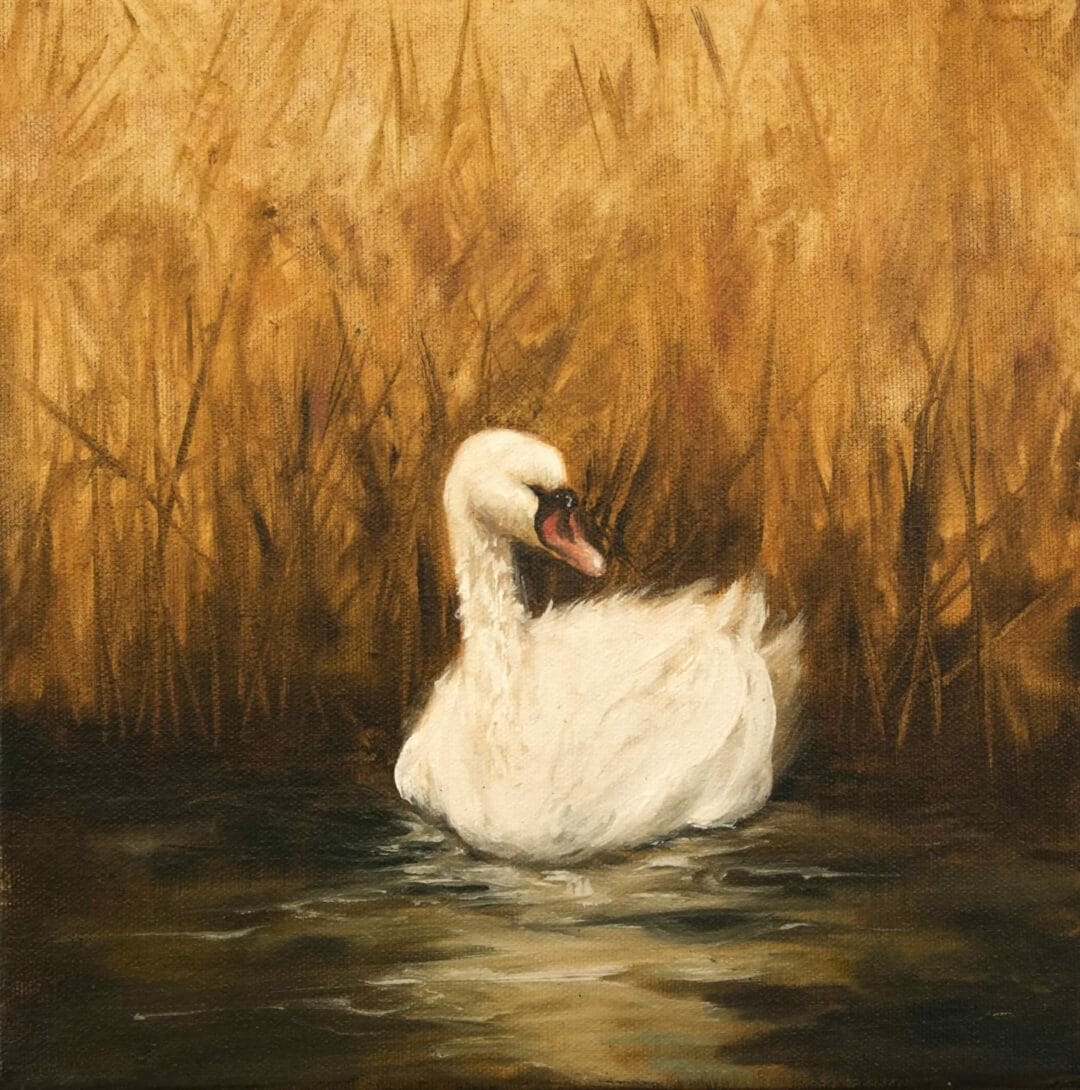
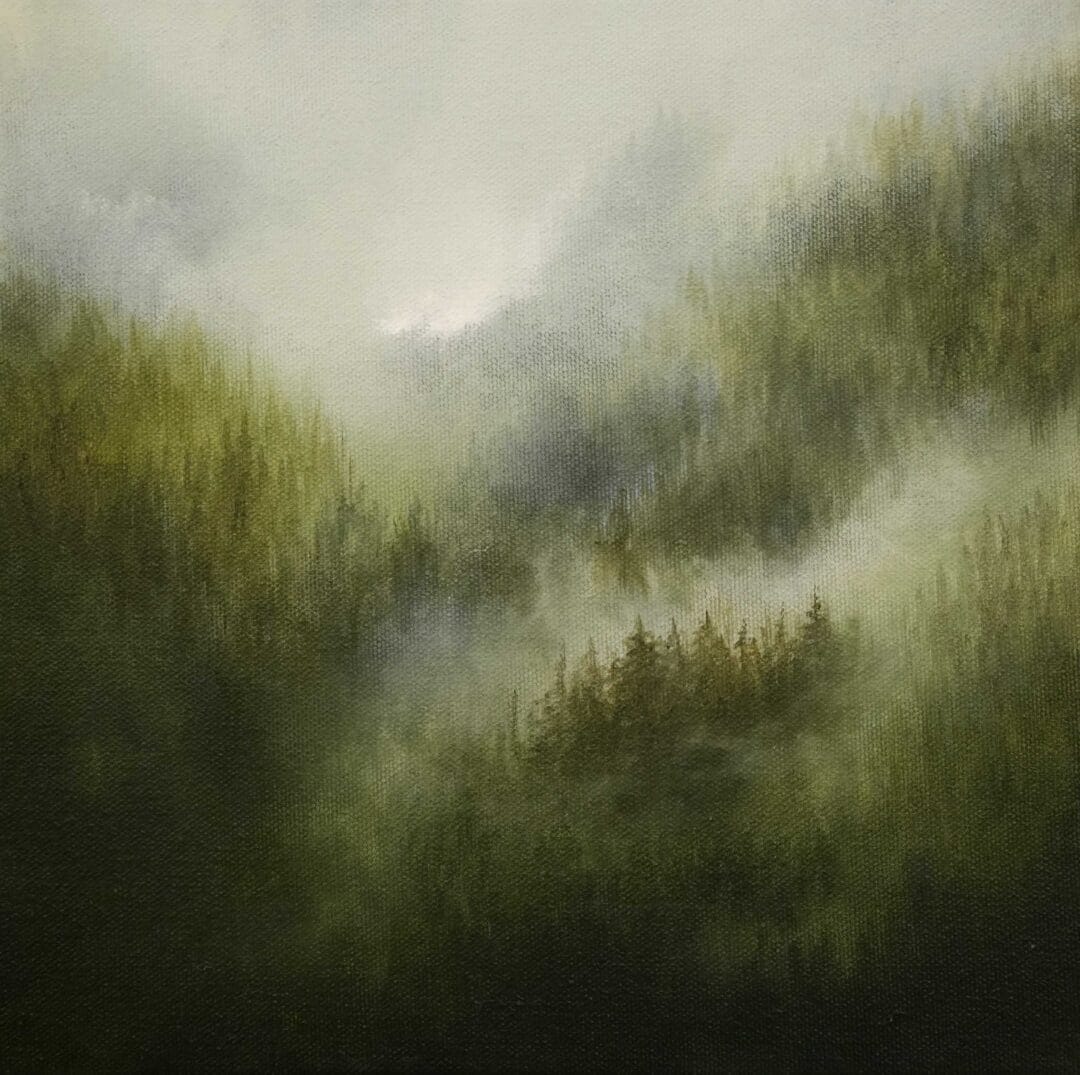
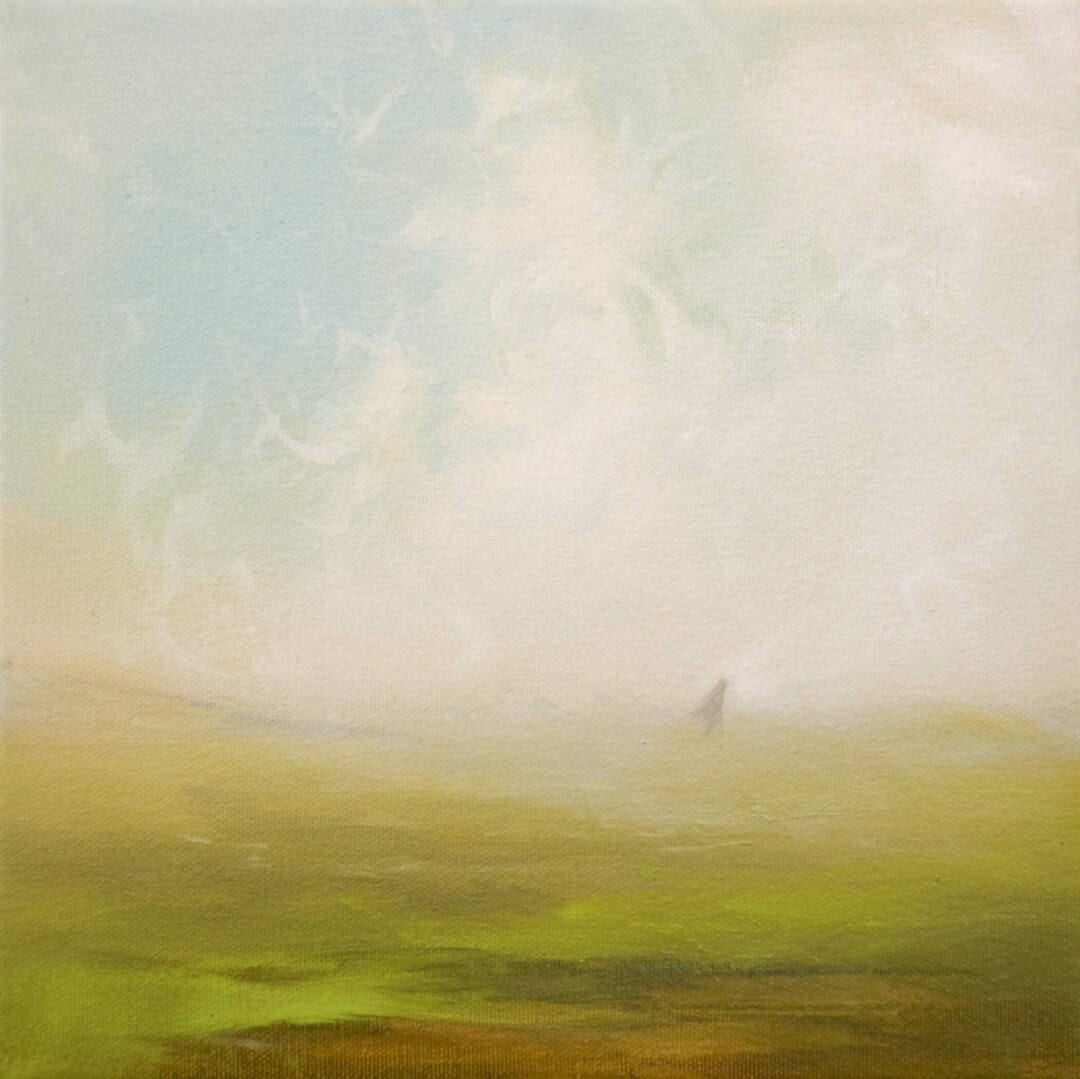
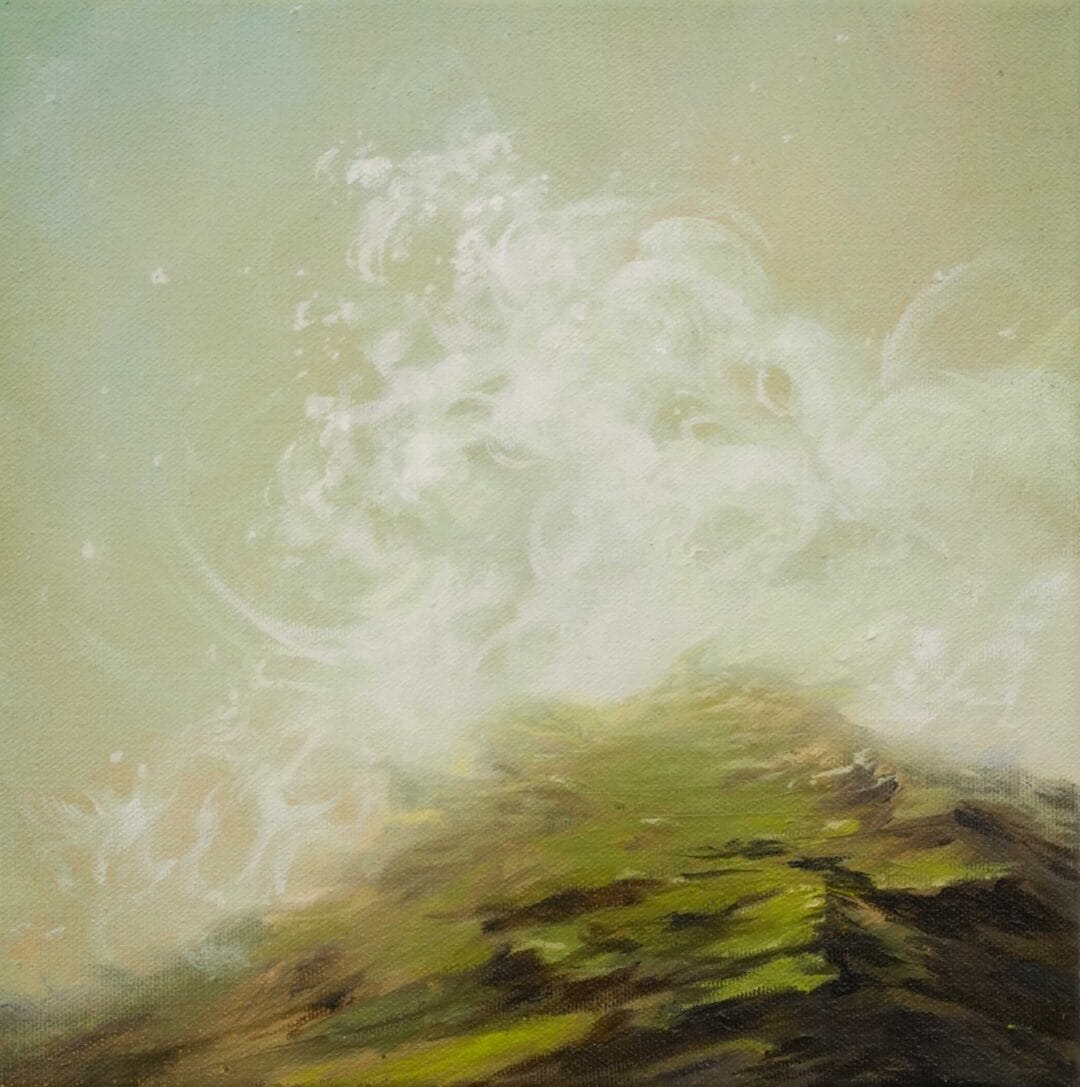
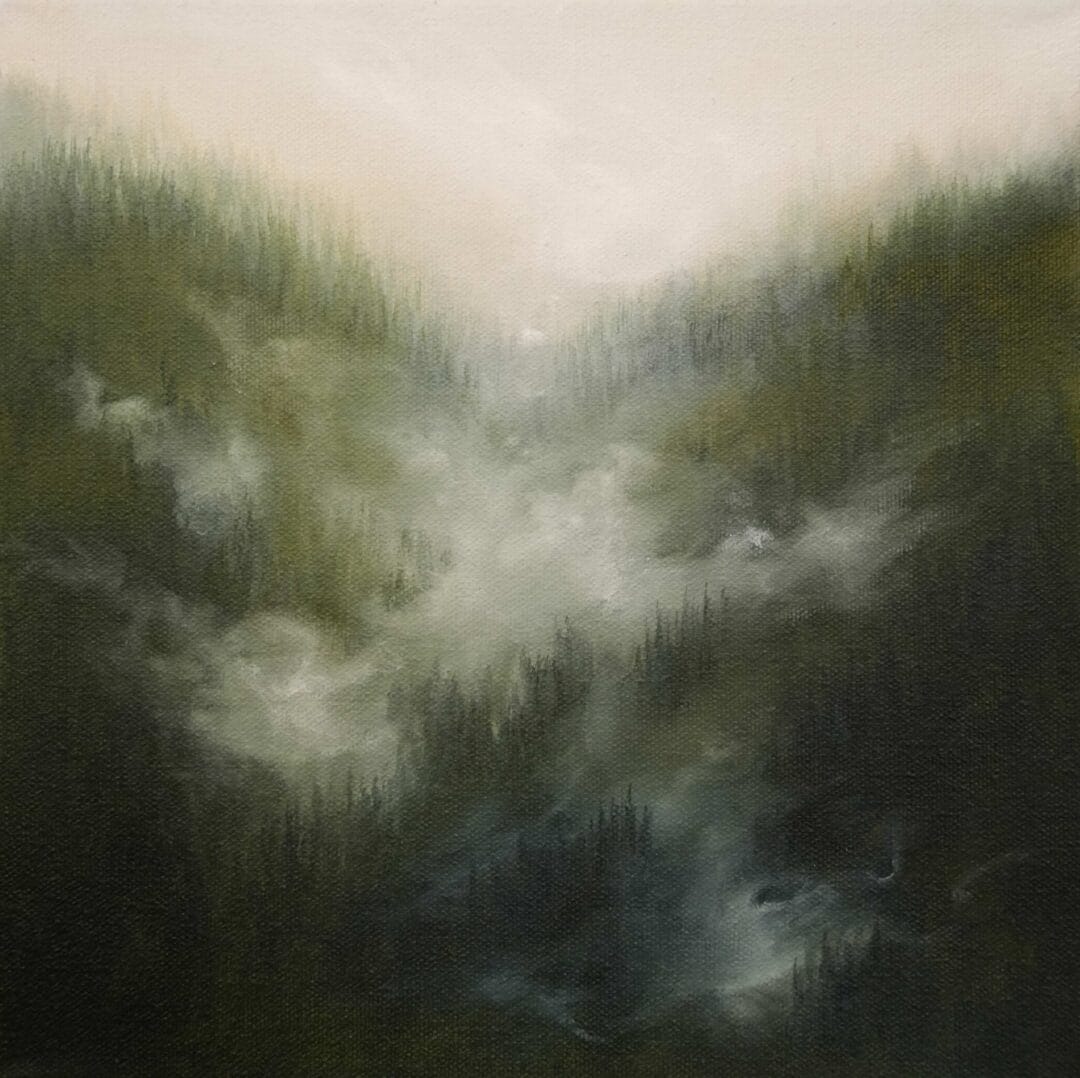
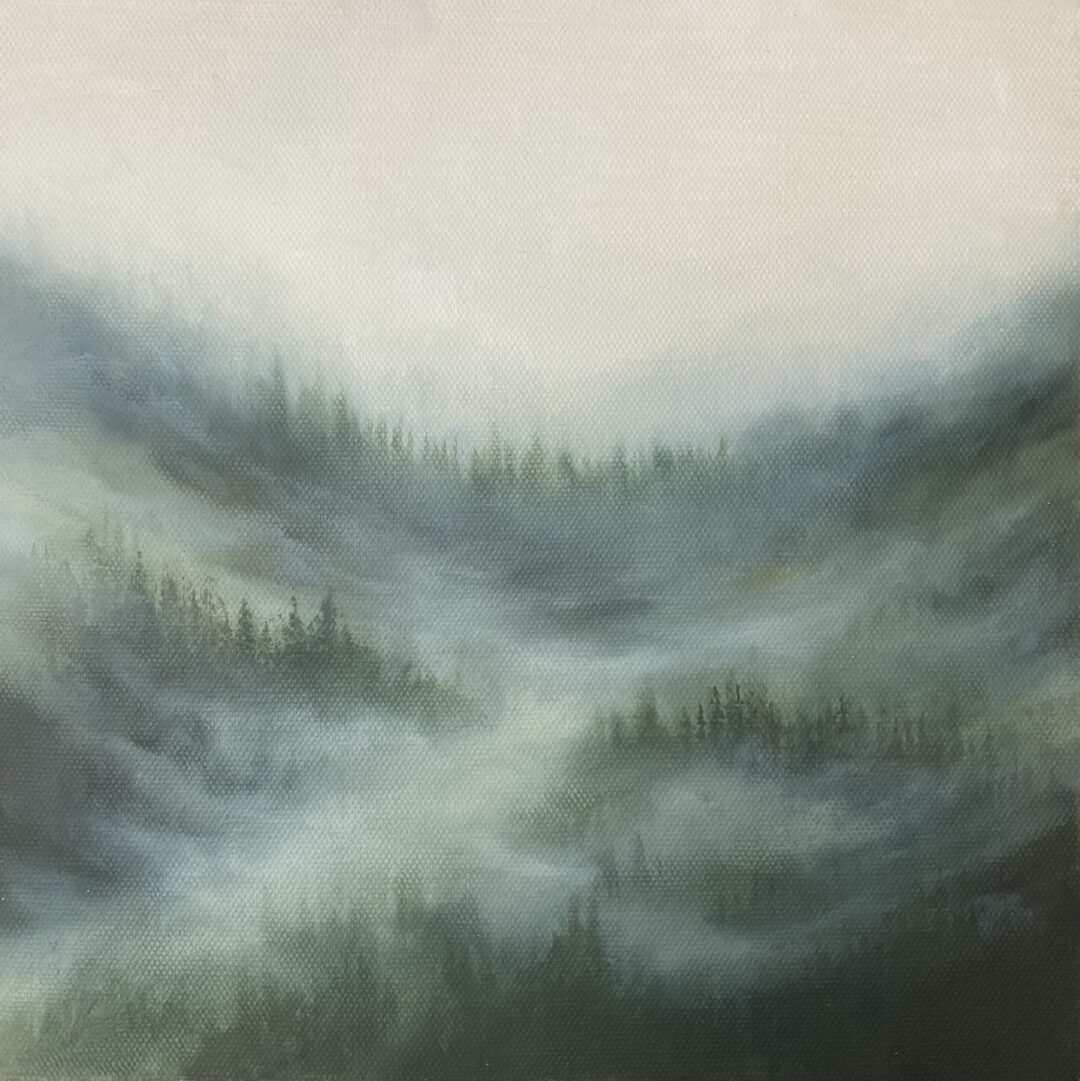
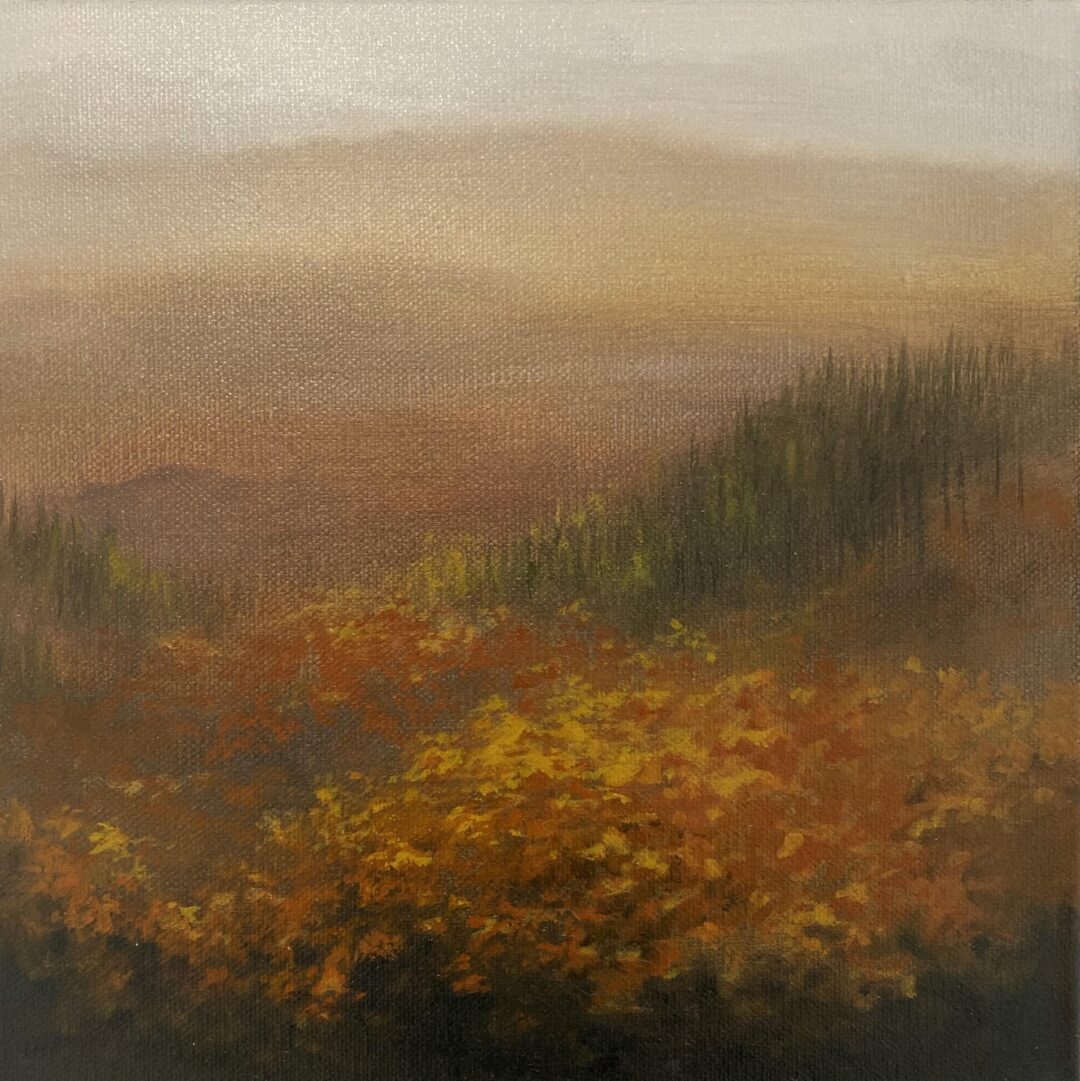
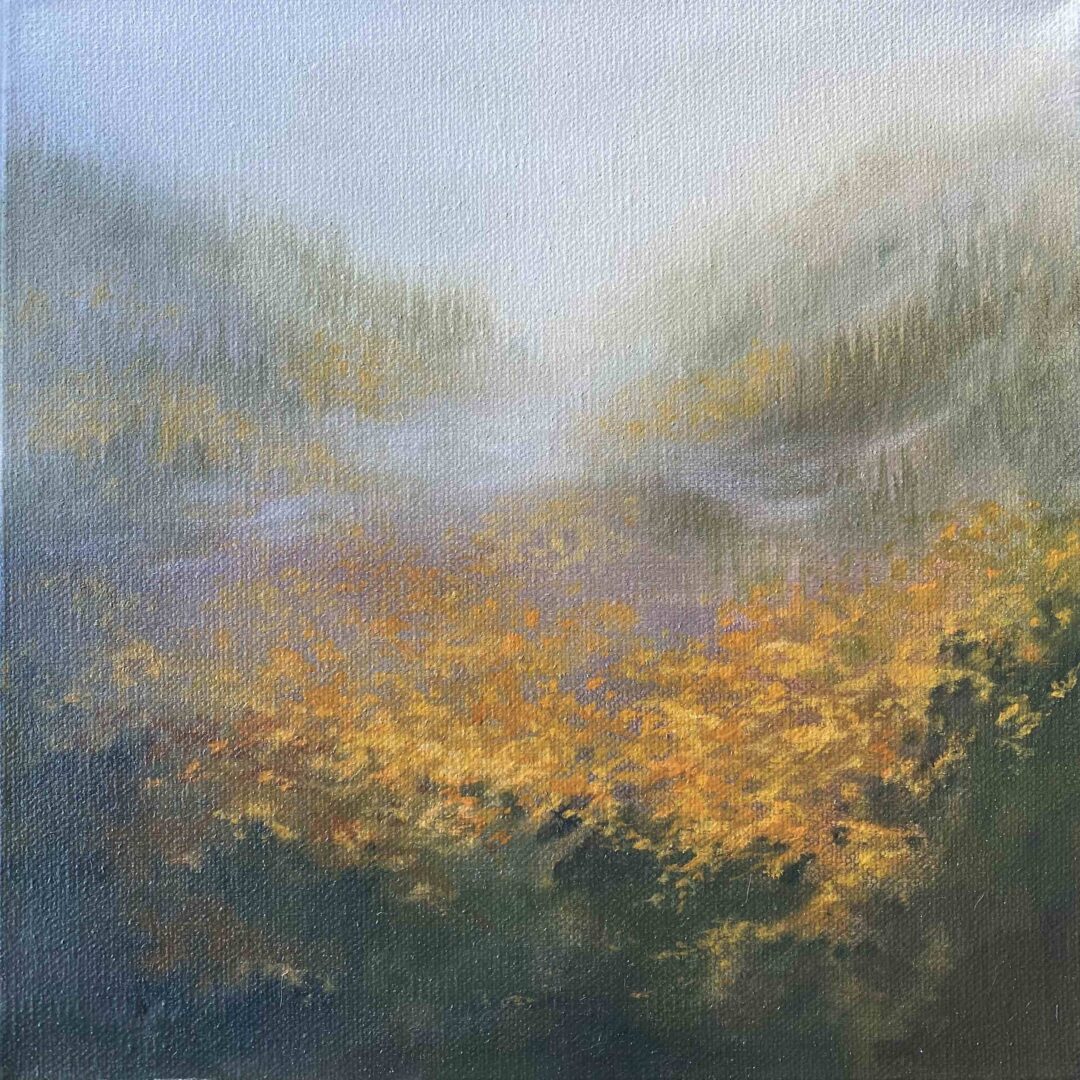
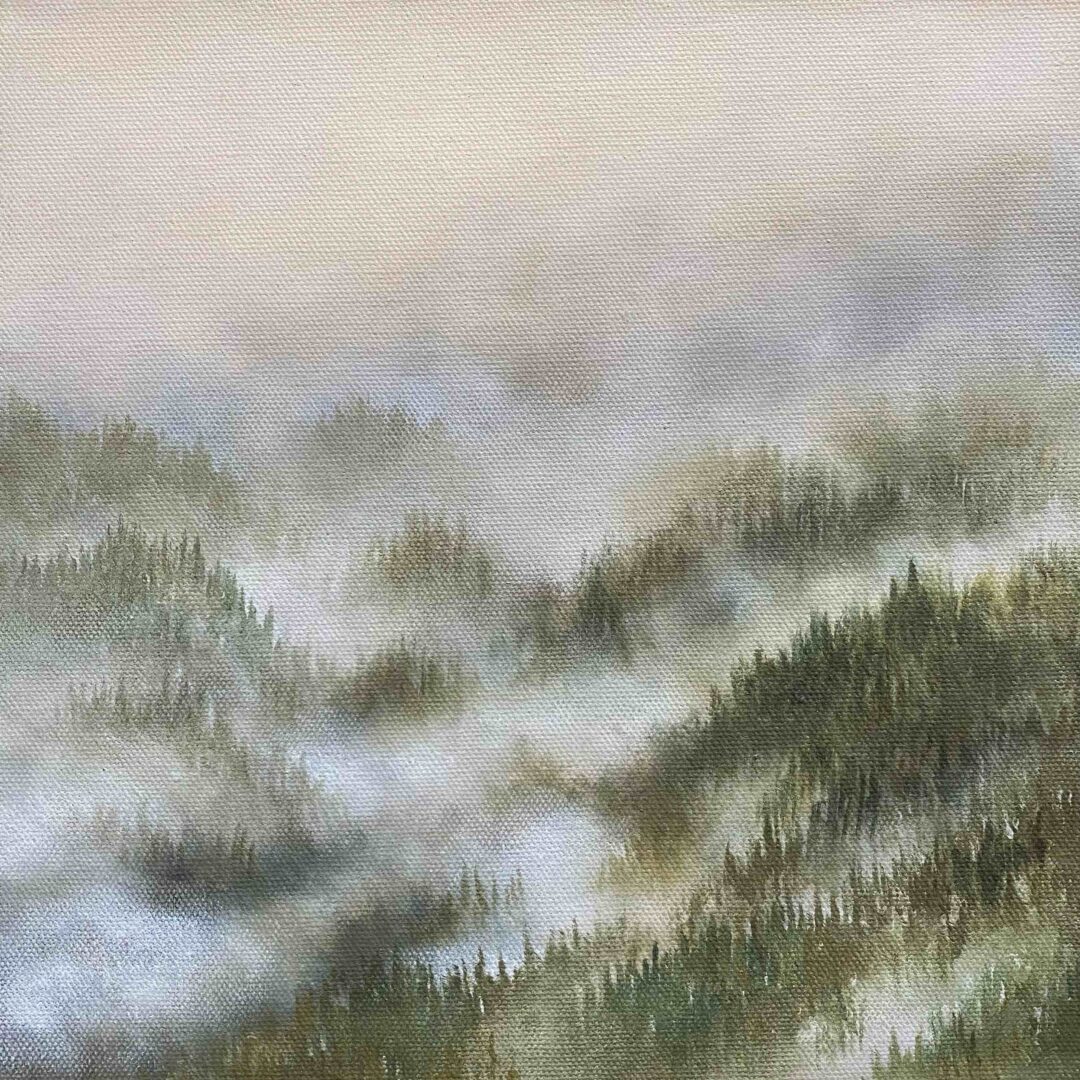
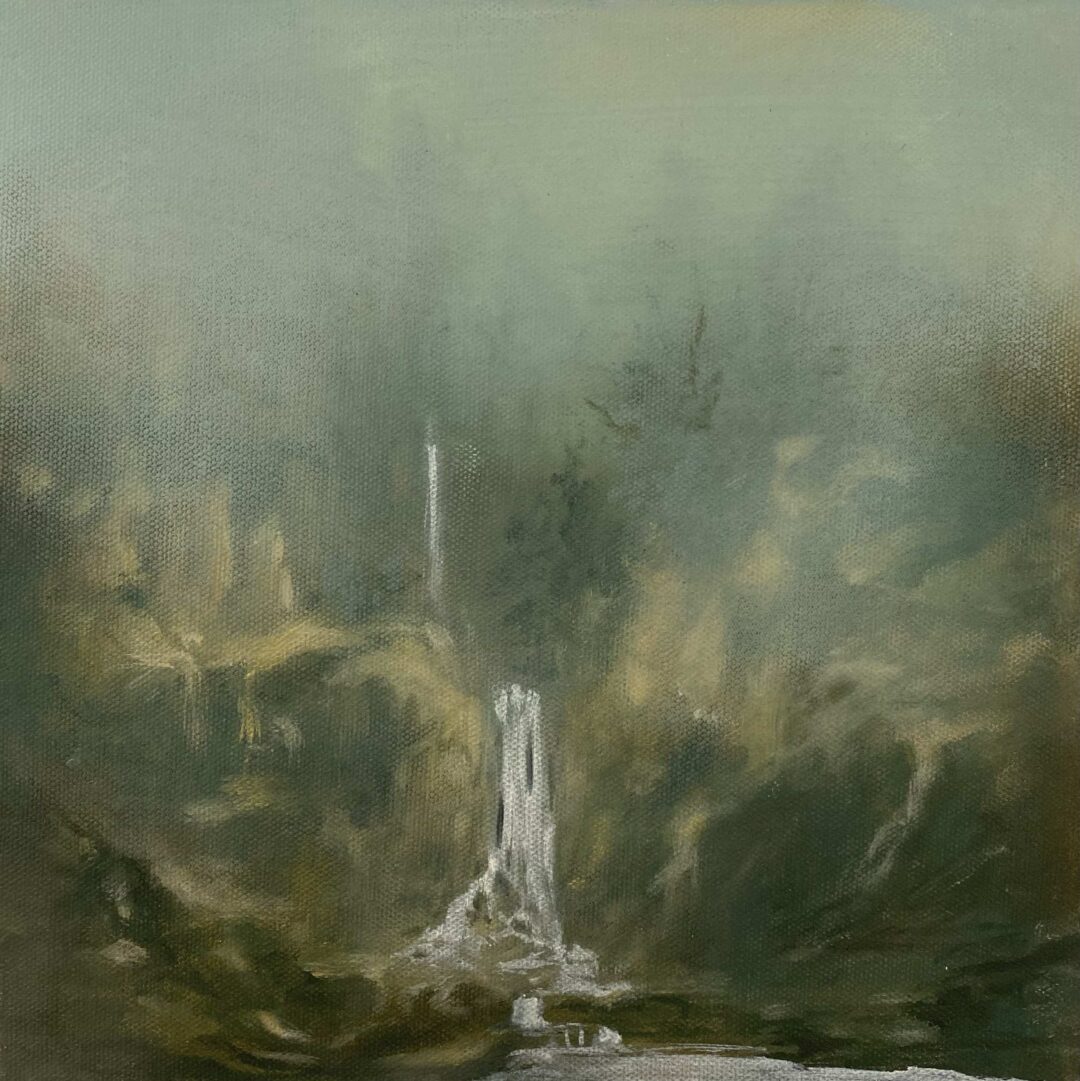
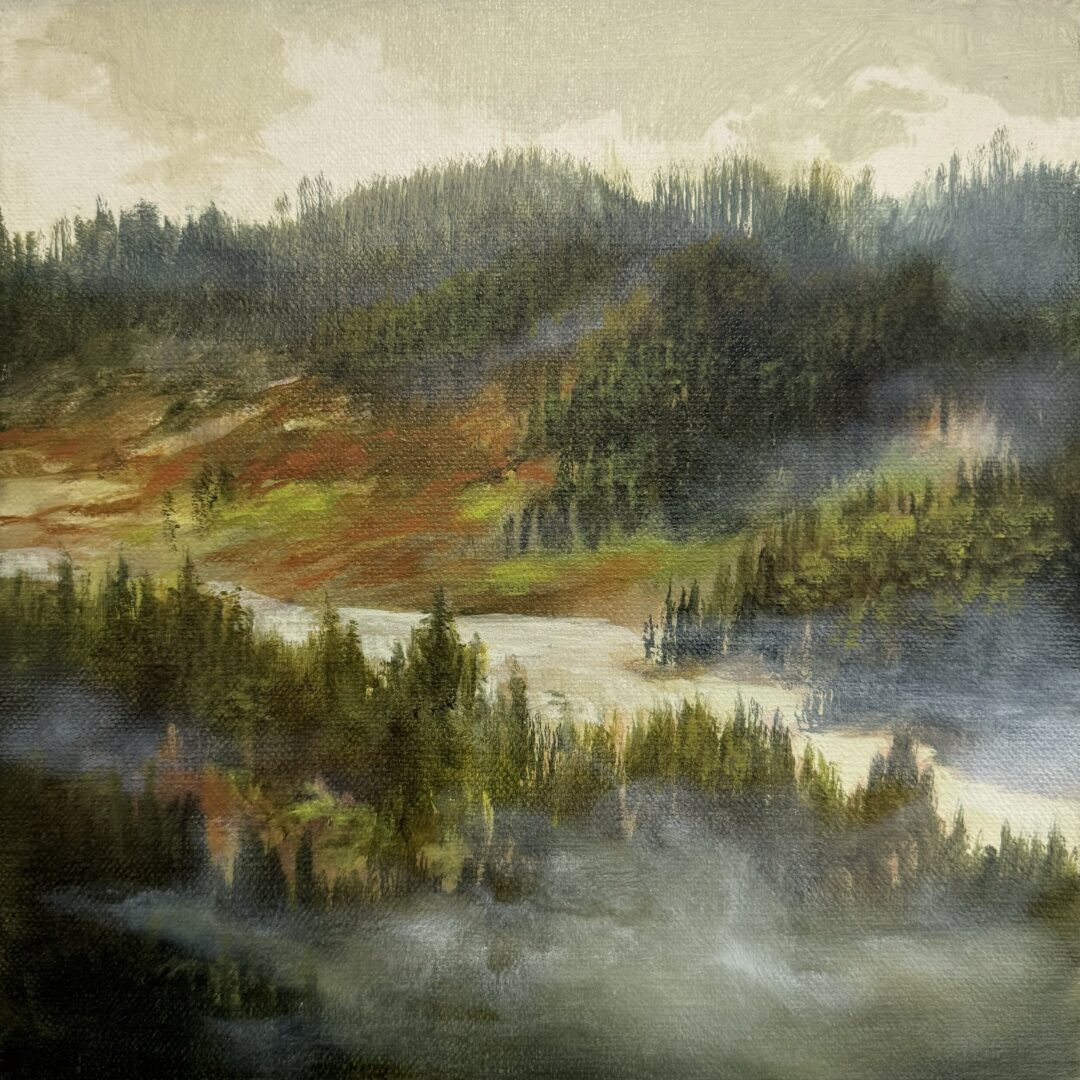
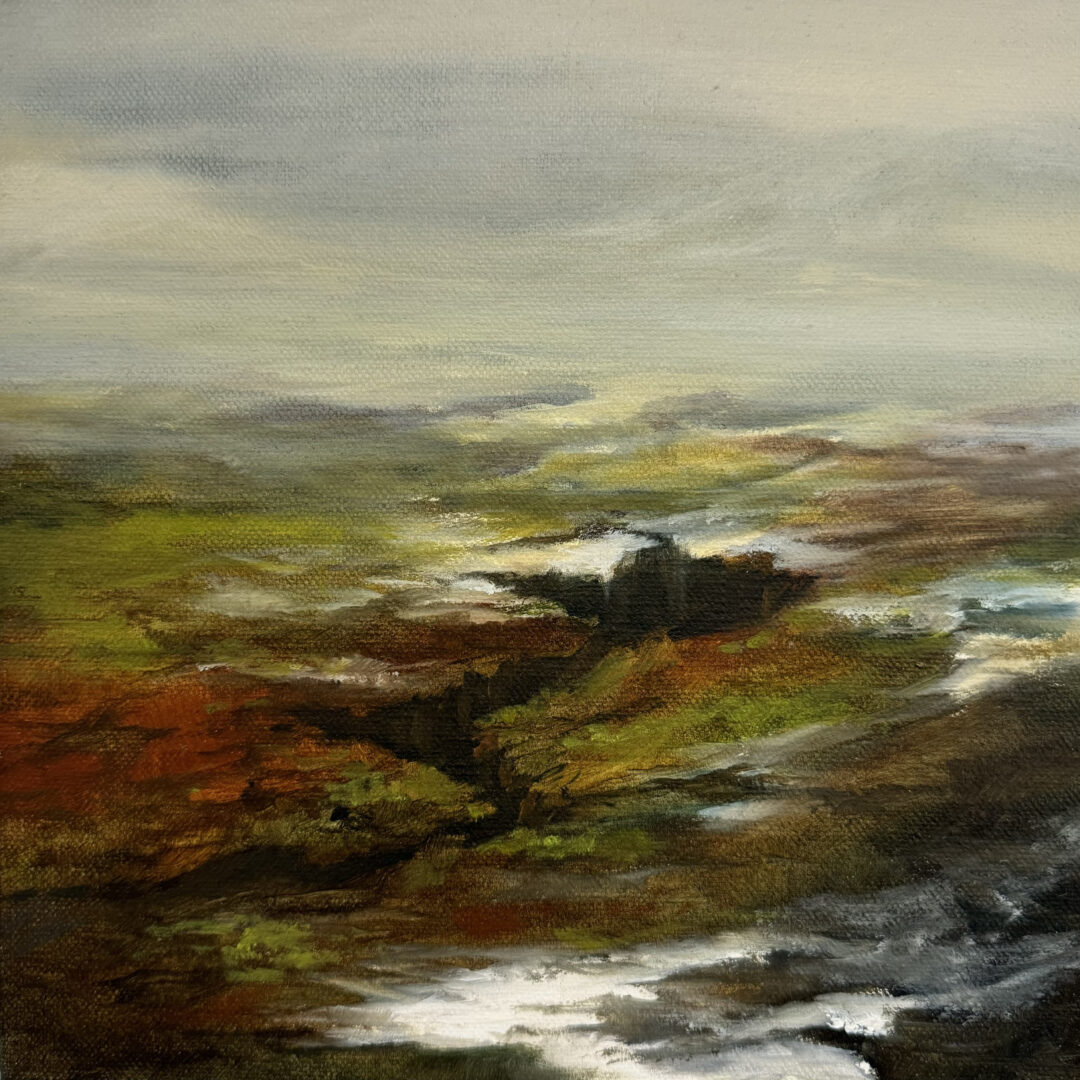
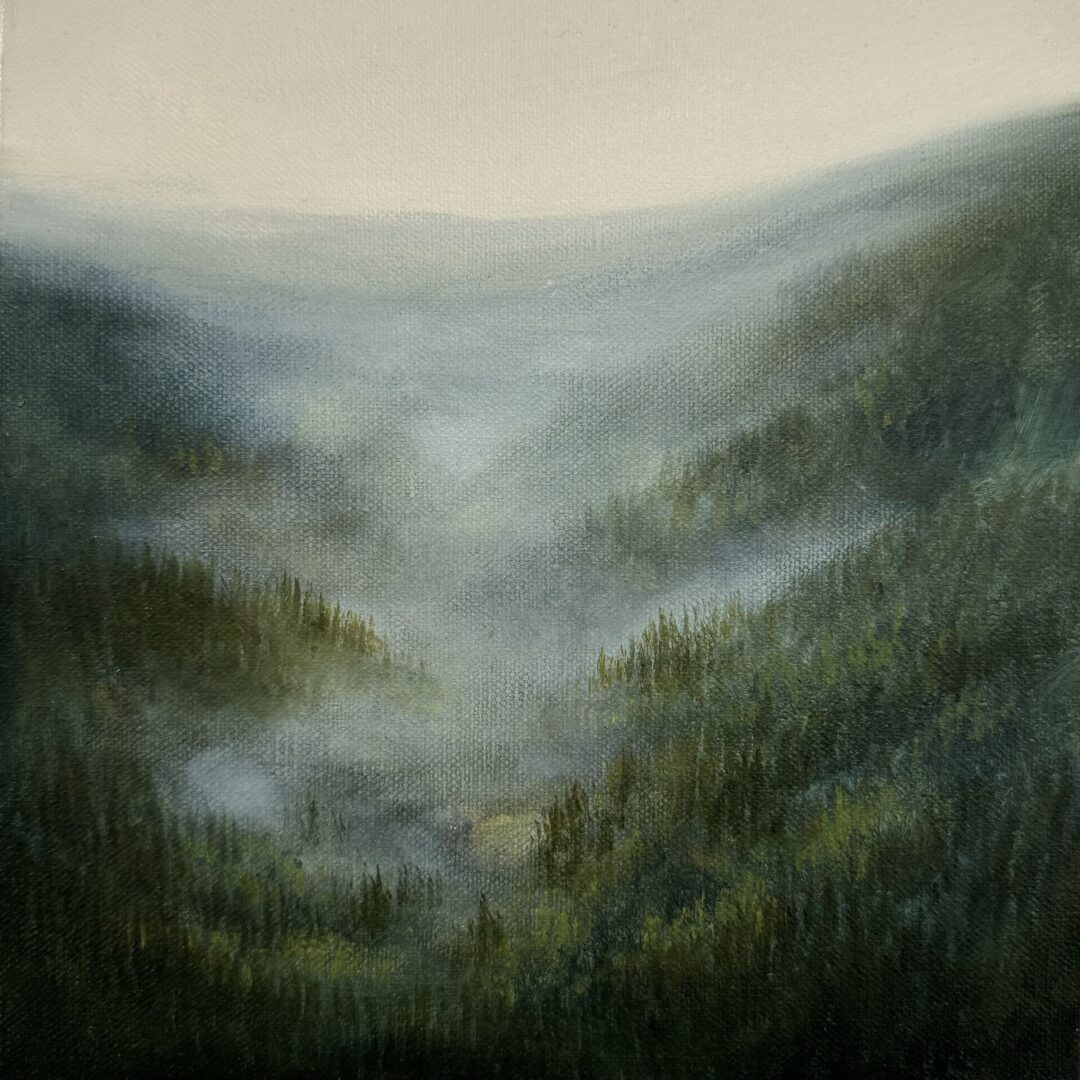
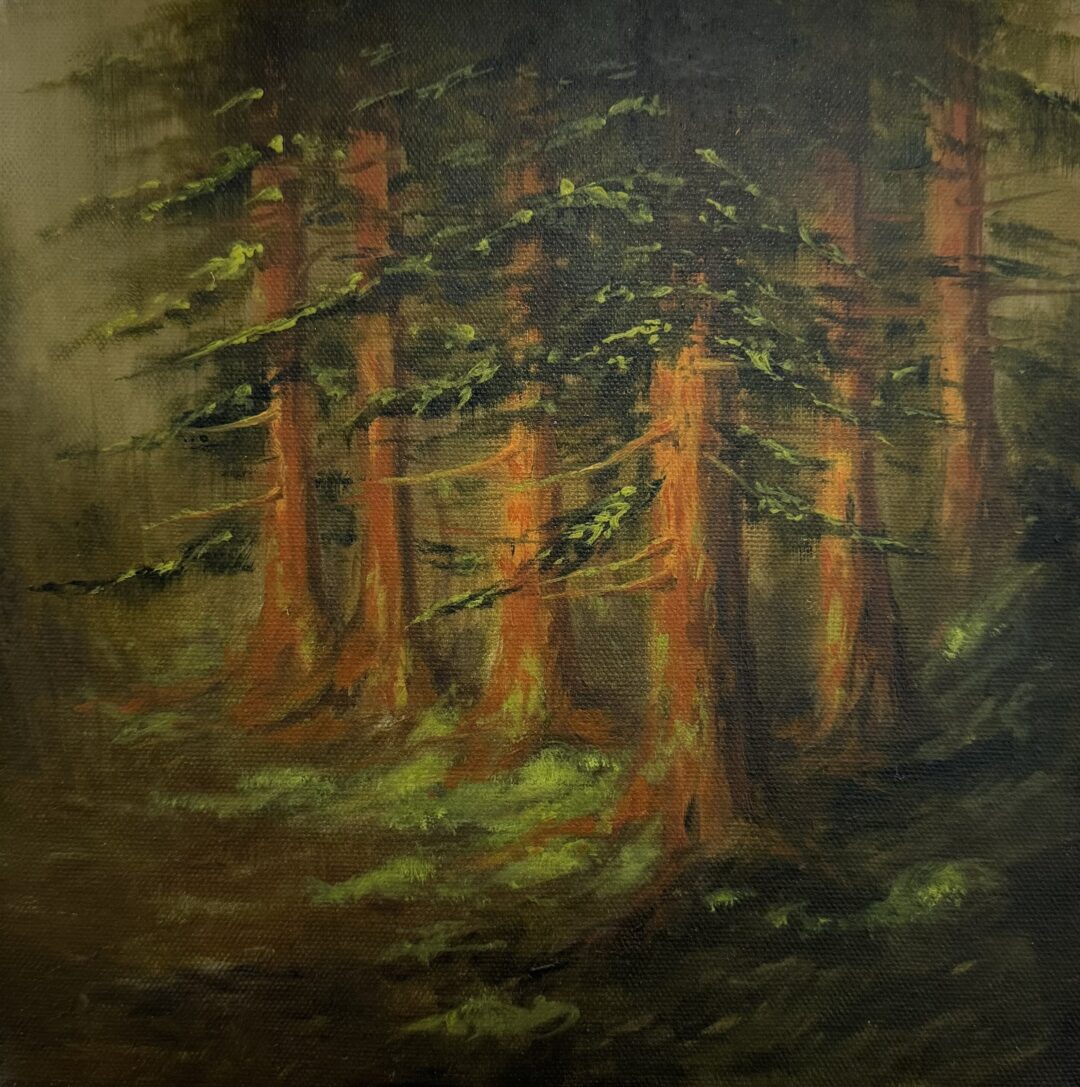
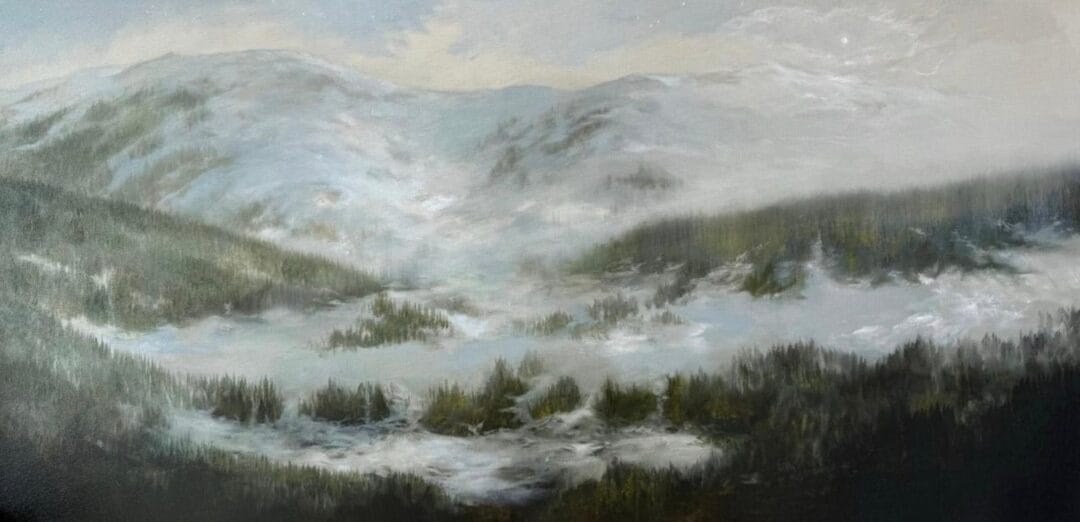
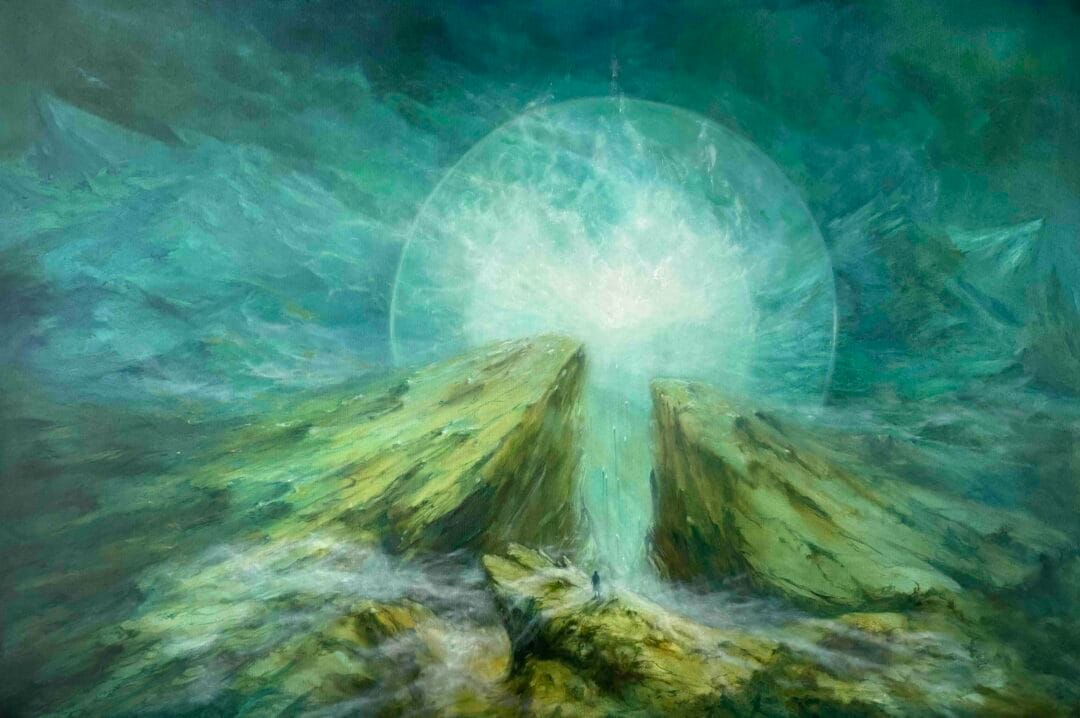
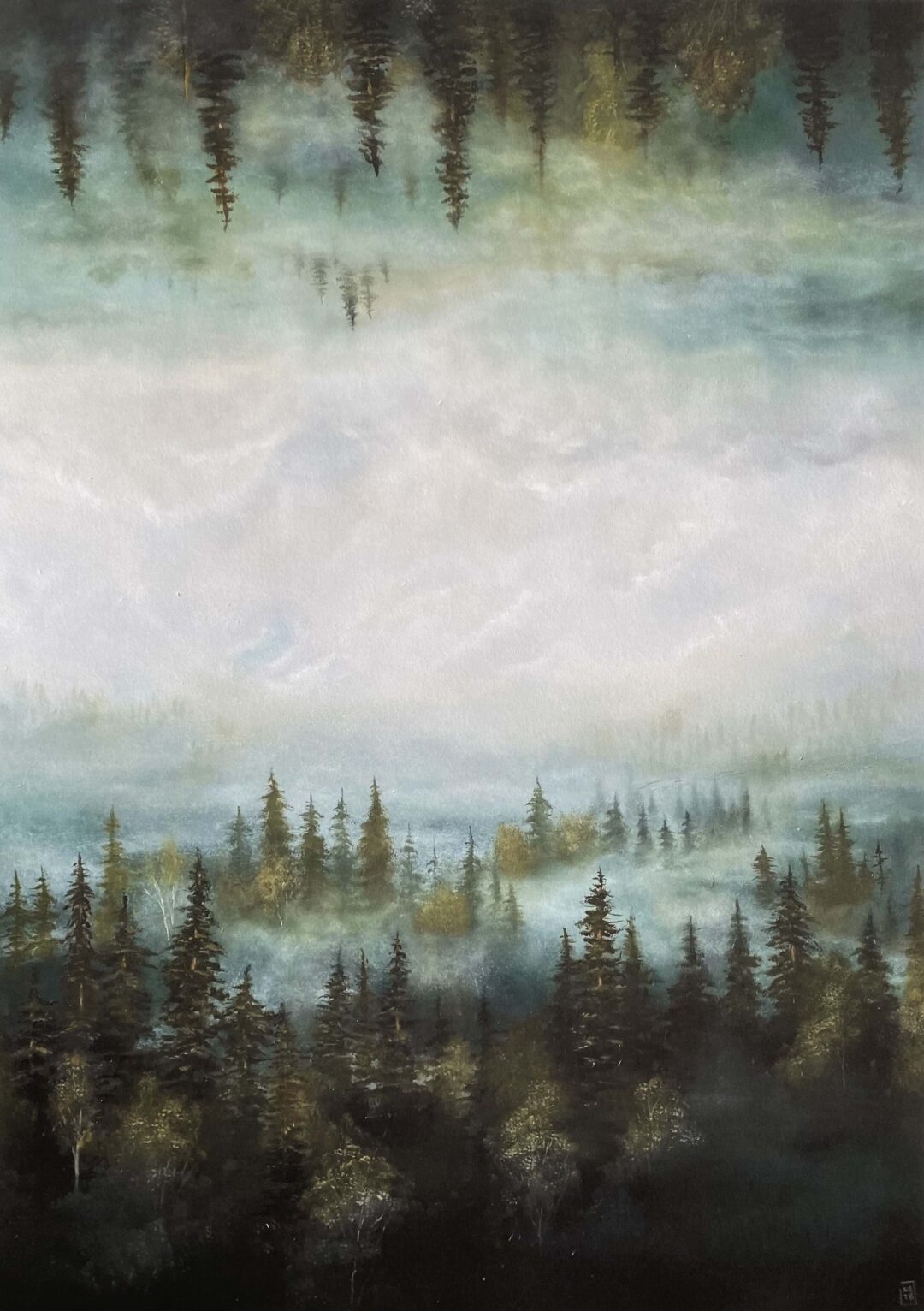
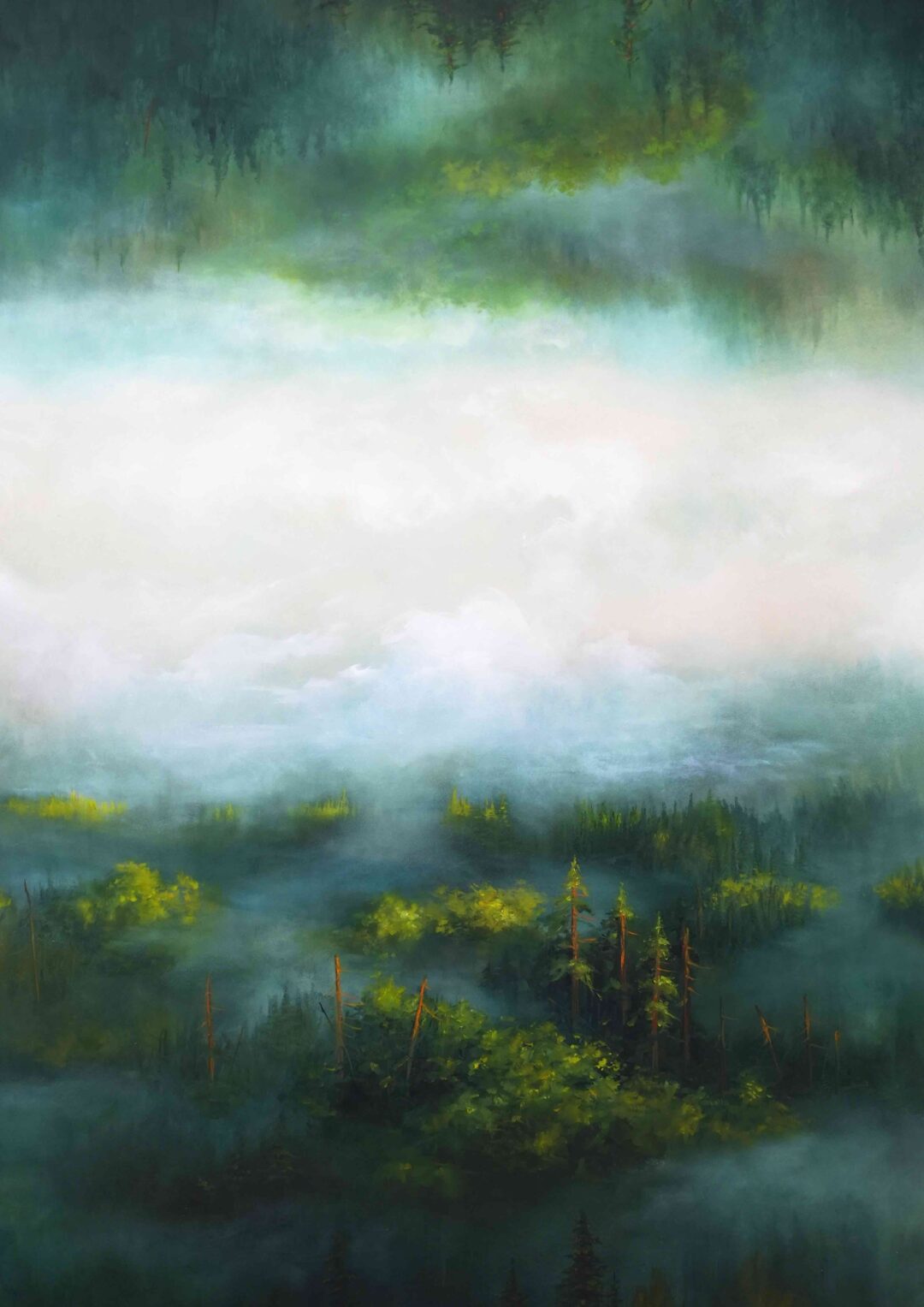
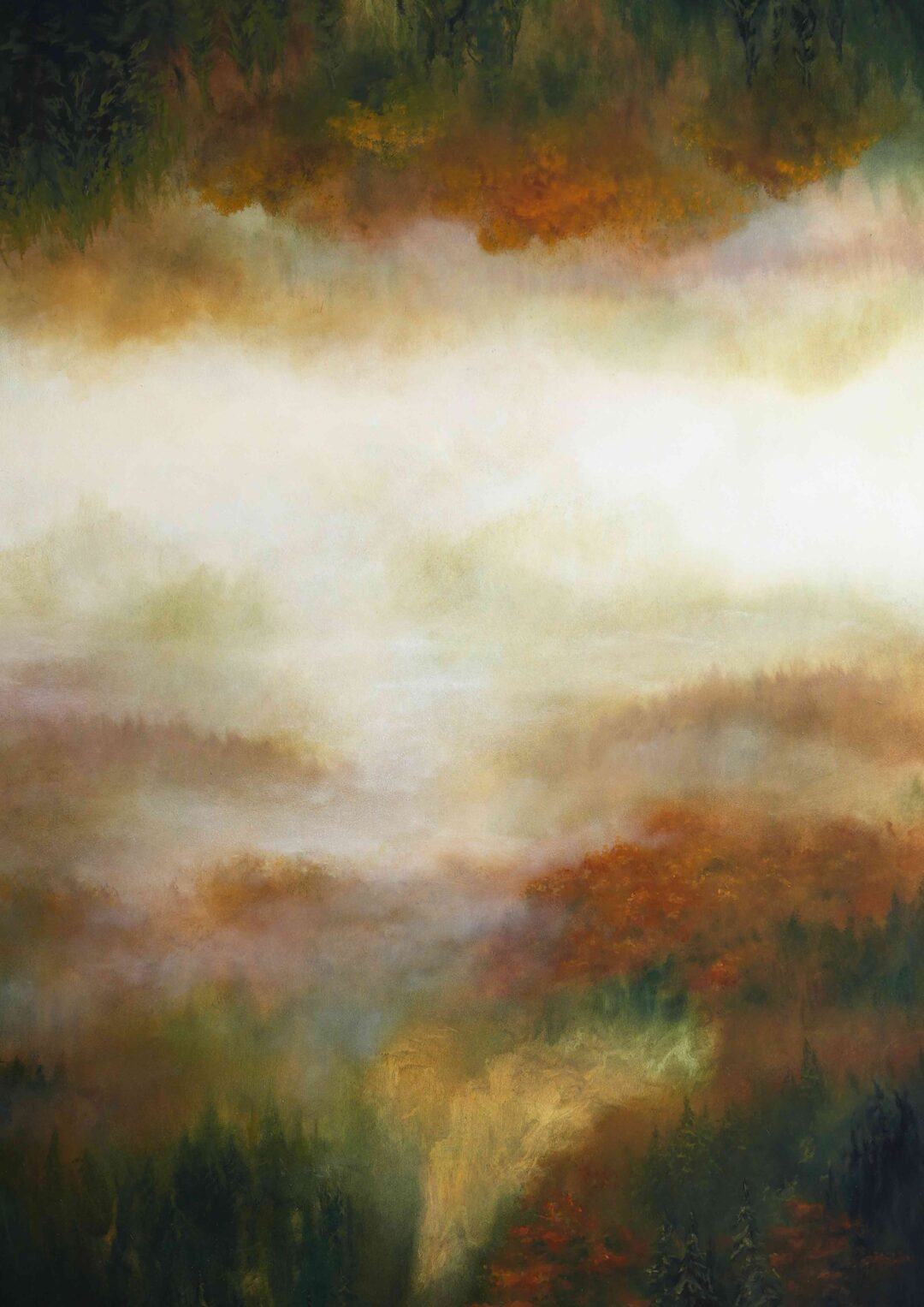
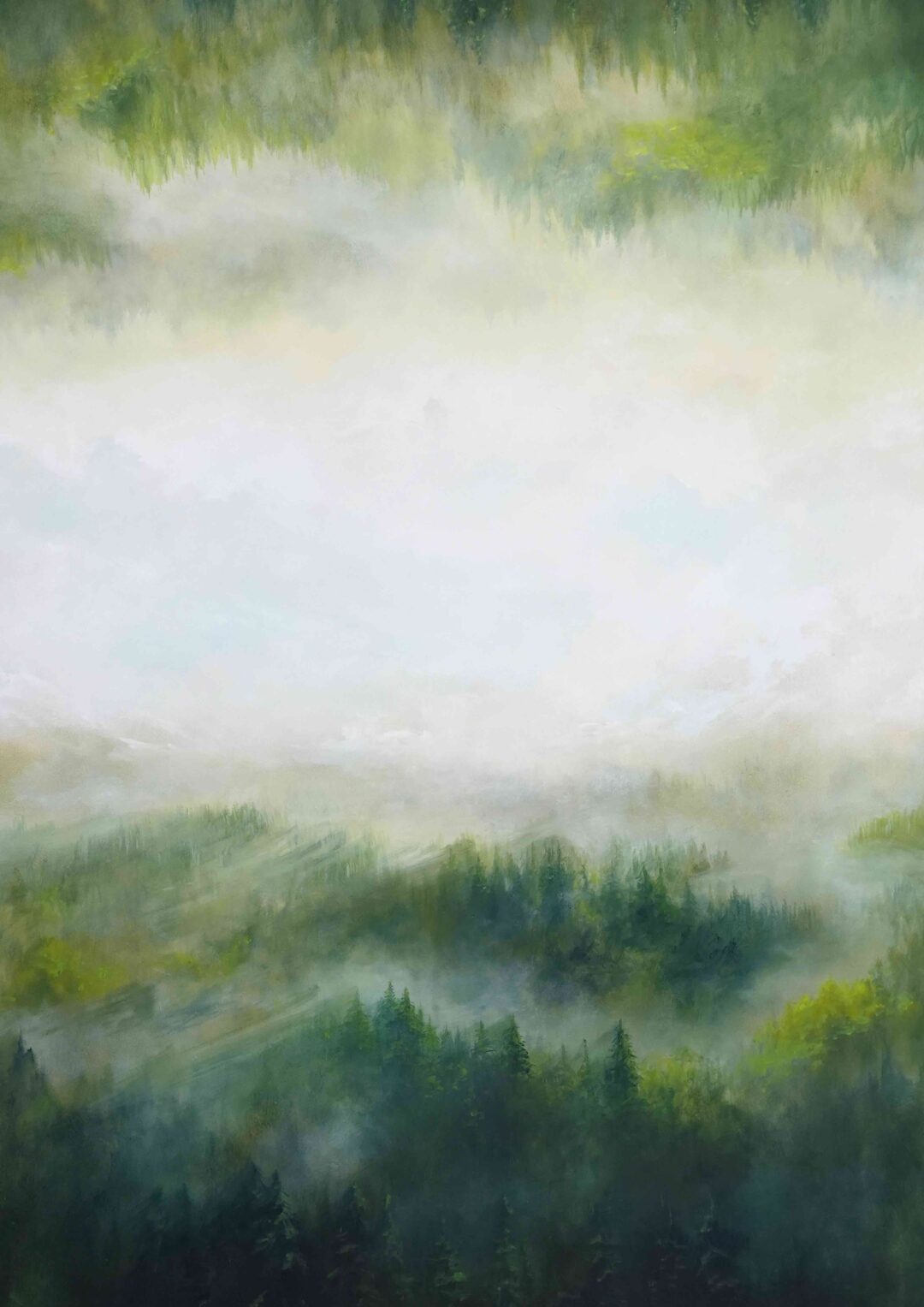
The artist works with traditional oil paints and employs classical techniques such as sfumato, applying numerous thin layers to create depth and atmosphere. Each painting begins with a translucent underlayer that sets the initial composition, where the shape and motif often evolve during the process. She uses both linen canvas and wood panels, including circular formats reminiscent of traditional tondo paintings.
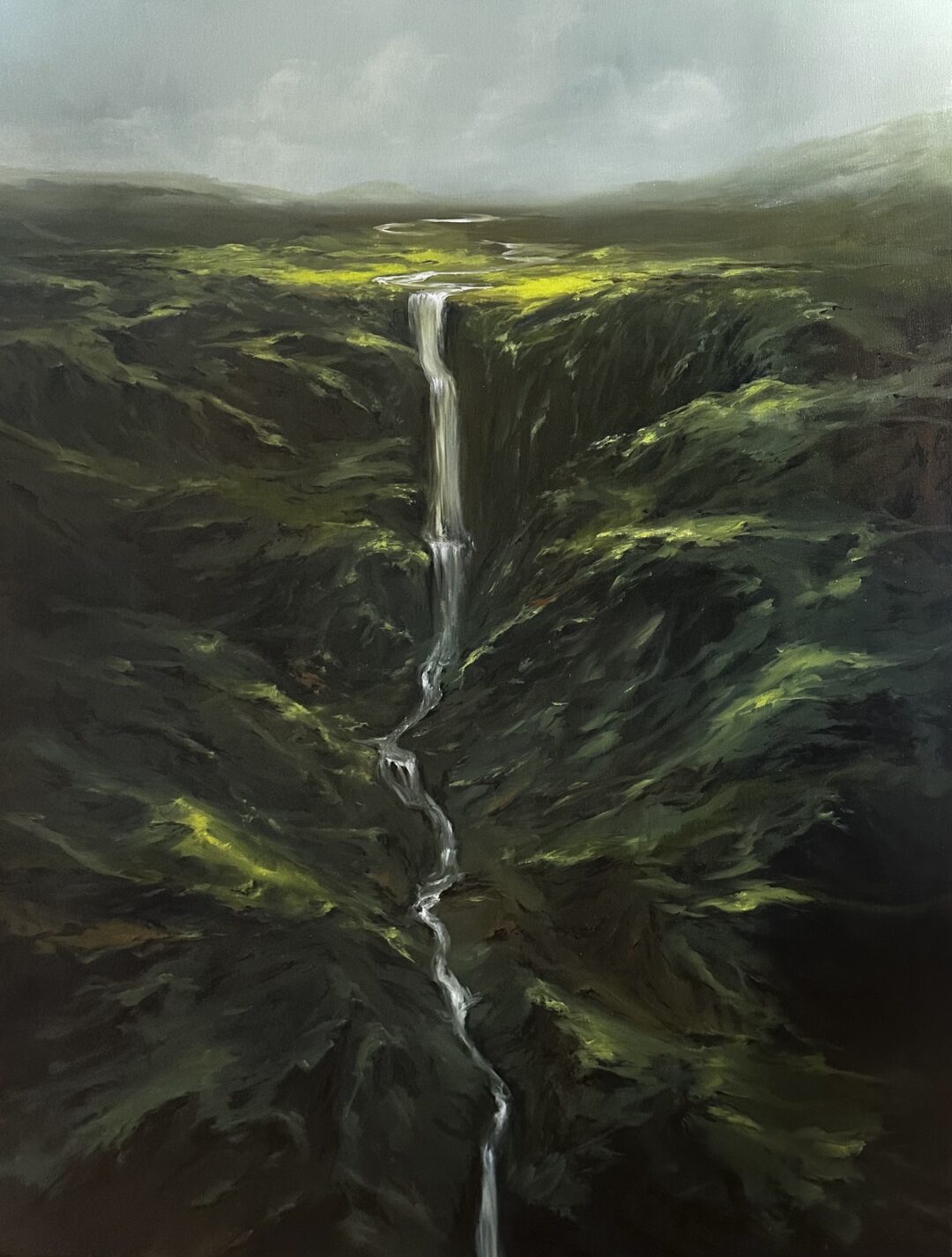
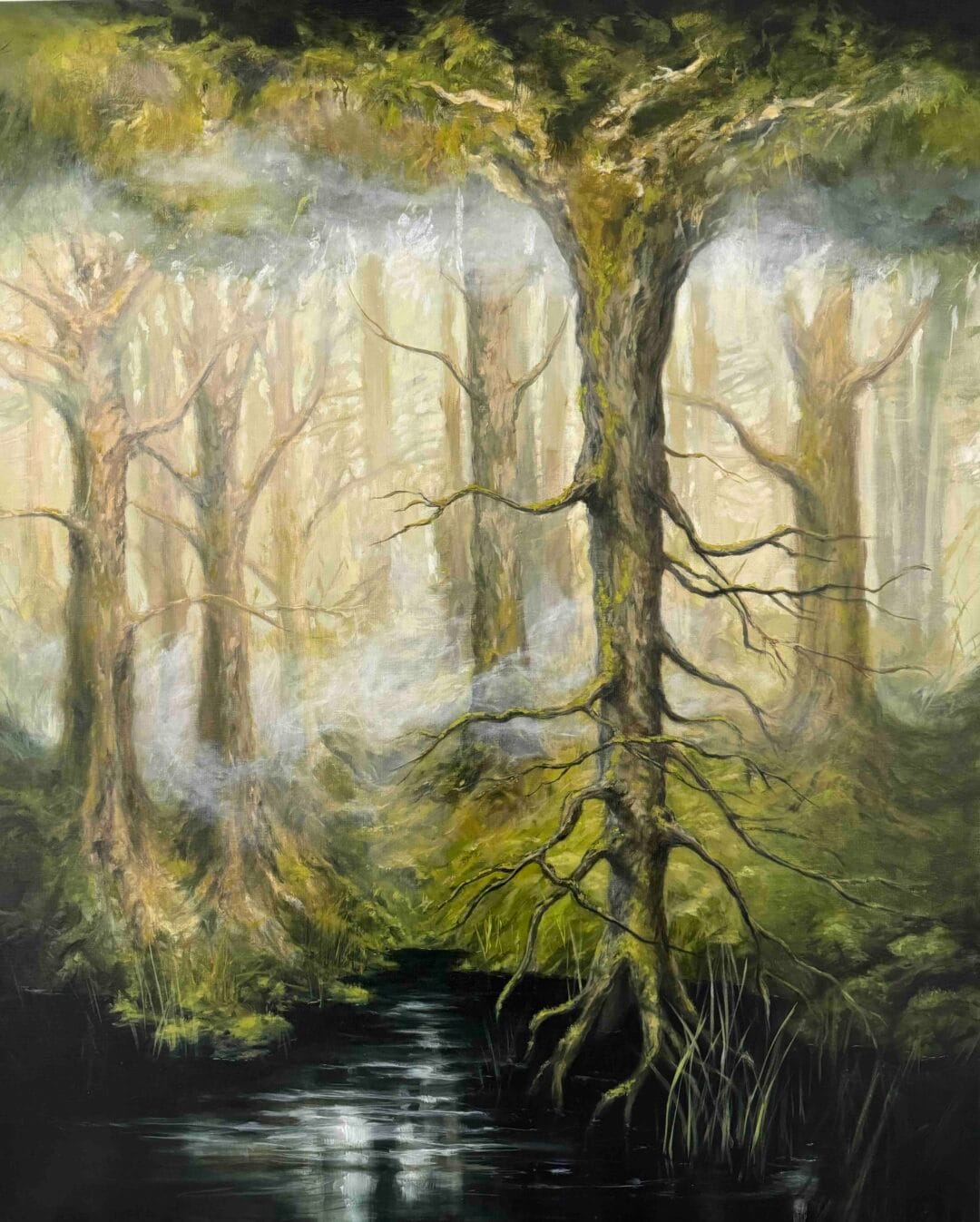
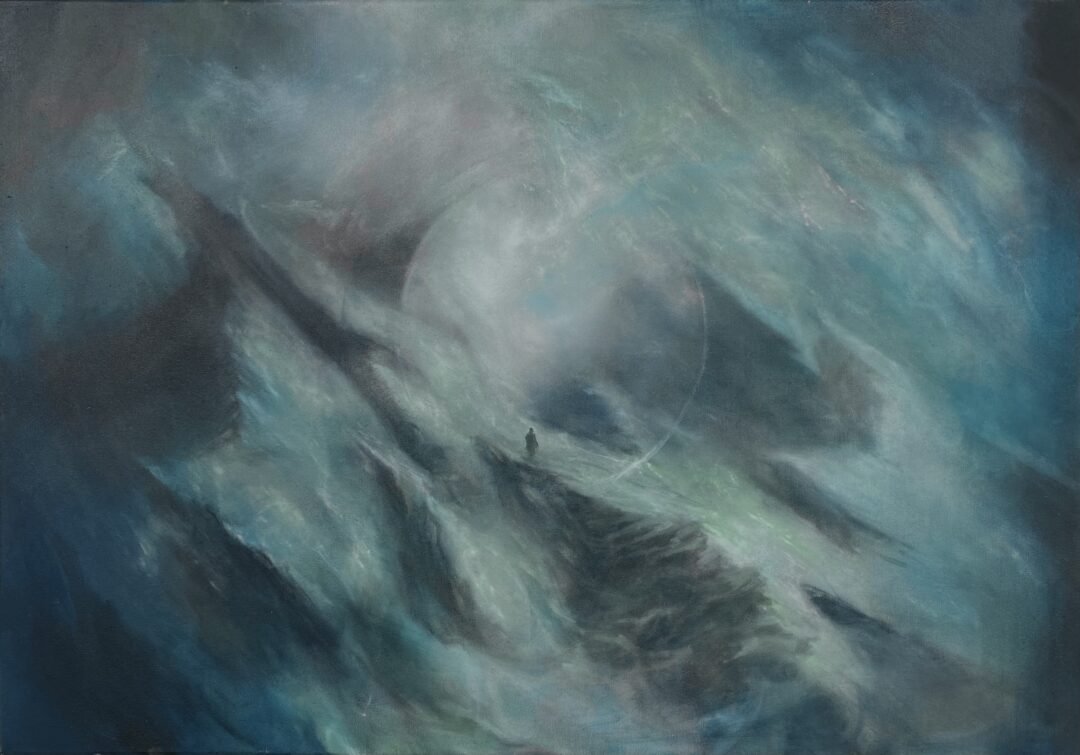
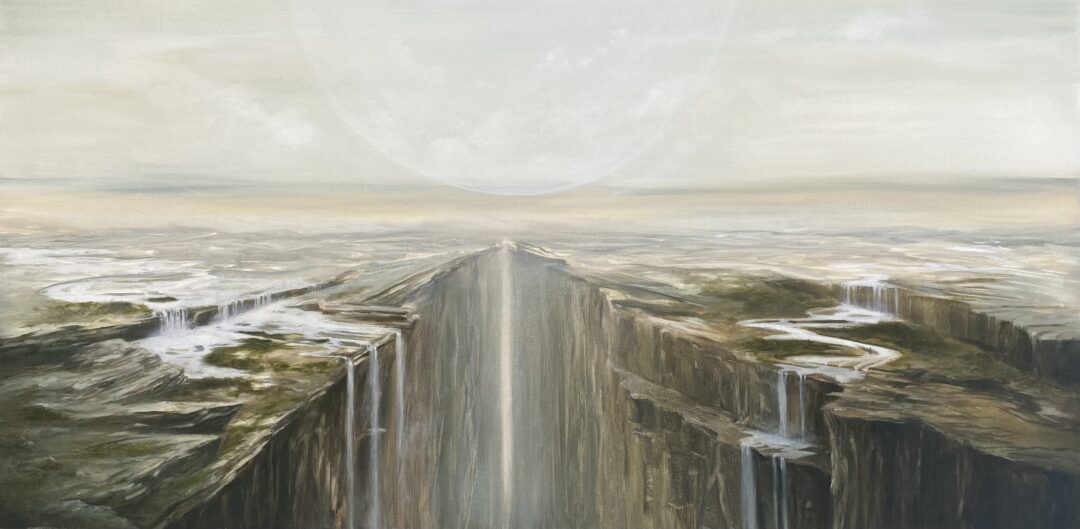
Wast forests, serene waters, and majestic mountains exert an almost magnetic pull on the viewer and form a gateway to a space of the sublime. It gives us a sense of meaning and encourages us to place ourselves in relation to both the present and the past, while her art simultaneously evokes important thoughts about the future.
Her artistic exploration and unique perspective give her a distinct place in contemporary art. Emotional inner journeys are conveyed with a rare sensitivity and the poetic qualities spur the viewer to pause and reflect.
“I feel profound satisfaction when someone, observing one of my artworks and reflects on the motif, then describes the emotion it evokes – and I understand that, mentally, we have been in the same place. I love to build my own landscapes, my own worlds so to speak. When I paint, I feel as if I wander in the landscape I am painting. I rarely plan how the motif will be, it forms itself through the process. Landscapes are my way of manifesting a feeling or a concept. Rather than depicting nature as a literal environment, I use the landscapes to describe themes such as solitude, timelessness or awareness.”



Want the catalogue of works?
We will give you all the information you need to help you choose.